
Expansion Cards / Interfaces
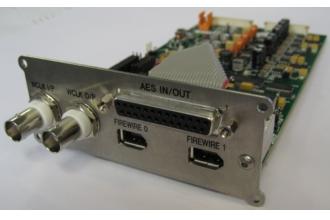
The expansion board is fitted internally to a 4081 unit and has two modes of operation, determined by whether a FireWire connection is detected or not. Mode 1 - Standalone (no FireWire detected): The 4 analogue outputs from the 4081 Mic Pre or Insert are mapped to the two stereo AES OUTPUTS. The two stereo AES INPUTS are mapped to the 4 analogue outputs – these are simply an AES to analogue convertor. The 4 analogue outputs are also available on the 25 way d-type on the back of the main 4081 unit. If no sync input is detected (either Wordclock or AES), then the expansion board runs on internal sync and the sample rate is selected by the UP/DOWN buttons on the front panel. If a valid sync input is detected, then the sample rate is automatically calculated and indicated on the front panel. External AES EBU cable lengths are limited to 100M. Mode 2 – FireWire detected: Multiple 4081 units can be cascaded onto one FireWire stream, or starred back to the FireWire card. There is currently a limit in the driver of 4 units per FireWire stream. 4 units gives 16 IN and 16 OUT on a single DAW connection if using FireWire, but the available bandwidth allows 16 IN and 16 OUT at 192kHz. The first unit in the chain becomes the master, and provides the sync to the other 4081 units either via FireWire or Wordclock. Supports ASIO driver – the sample rate is set via the DAW software driver.
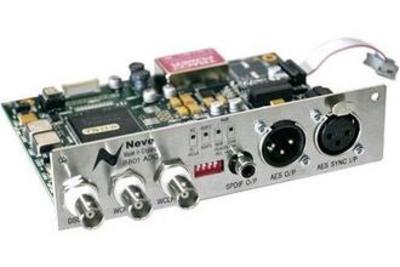
AMS Neve - 8801 ADC Option ADC Option für den 8801 1U Channel Strip.
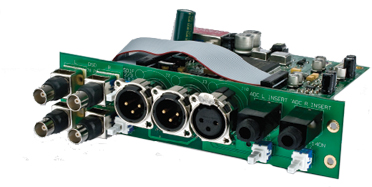
AMS Neve 8816 ADC option onlyAnalog-to-digital conversion card for the Neve 8816 supports standard sample rates to 192kHz and direct conversion to DSD (Direct Stream Digital).
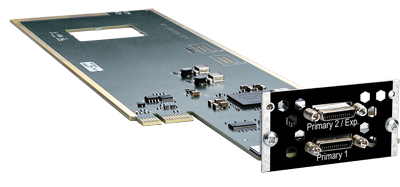
MTRX DigiLink I/O KarteFür MTRX und MTRX IIMit der DigiLink I/O Karte kann das modulare Avid Pro Tools MTRX-Interface um zwei primäre Mini-DigiLink-Anschlüsse erweitert werden. Dadurch wird ein MTRX-Interface zum Hub für ein Studio mit mehreren Pro Tools Systemen oder zum zentralen, einzigen Interface für ein HDX 3 Pro Tools System.Das MTRX-Basisgerät ist standardmäßig mit zwei DigiLink-Anschlüssen ausgestattet, womit 64 I/O-Kanäle realisiert werden können, genug für ein HDX 1 System. Für Anwender mit einem Multi-HDX-System oder einer Konfiguration aus mehreren Pro Tools Workstations werden mehr als 64 DigiLink I/O-Kanäle benötigt. Bislang mussten diese größeren Systeme mit mehreren I/O-Geräten realisiert werden, um genügend DigiLink basierte I/Os für alle HDX-Karten bereitzustellen.Die 64-kanalige DigiLink Karte überwindet diese Limitierung beim Pro Tools MTRX. Pro Tools Ultimate kann nun ein einziges MTRX mit multiplen HDX-Karten verbinden. Man kann bis zu 6 DigiLink I/O Karten in ein MTRX-Basisgerät installieren und so multiple Pro Tools Workstations mit einem einzigen MTRX-Interface verbinden. Dadurch wird MTRX zum Herzstück für alle Audio-I/Os, Routing inkl. Dolby Atmos Workflow, Monitoring und Lautsprecher-Management, alles in nur einem Gerät. Leistungsmerkmale Steckkarte für die rückwärtigen Steckkartenplätze des MTRX-Basisgeräts zwei primäre Mini-DigiLink-Anschlüsse bis zu 6 DigiLink I/O Karten können in einem MTRX-Basisgerät installiert werden macht ein MTRX zum zentralen Interface für ein HDX 3 Pro Tools System oder für multiple Pro Tools Workstations
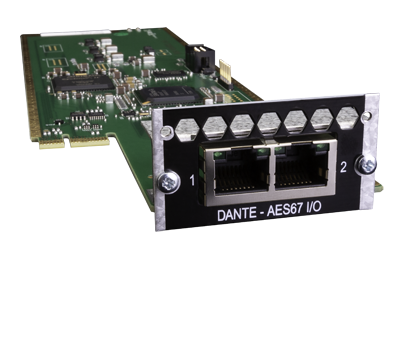
PRO TOOLS MTRX 128-KANAL DANTE IP AUDIO-KARTE Passt in einen der acht rückwärtigen Steckkartenplätze im MTRX-Basisgerät 128 Audio-Kanäle bei 44,1 kHz; 32 Kanäle bei 192 kHz pro Karte; unterstützt bis zu 1.024 Kanäle, wenn 8 Karten installiert sind Duale Ethernet Verbindung, geschaltet oder redundant Unterstützte Abtastraten: 44,1 kHz – 192 kHz Bi-direktionale Sample Rate Conversion AES67-kompatibel Software Integration: Arbeitet mit DADman und Pro Mon mit der Möglichkeit, Konfigurationen zu speichern und abzurufen
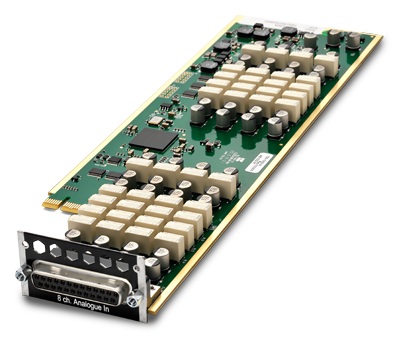
Pro Tools MTRX 8 Mic/Line Pristine AD CardSteckkarte mit 8 analogen Remote Mic/Line-EingangskanälenPasst in einen Modulschacht vom Pro Tools MTRX / MTRX II Basisgerät (AVPTMXIIBASE). Relais-basierte Eingangsverstärkungsschaltung. Bis zu 6 x 8 = 48 analoge Eingangskanäle möglich. Mikrofonvorverstärker 8 Eingangsverstärkung -18 to +70 dB in 0,1dB-Schritten Max. Eingangspegel von 9 dBu bis 30 dBu in 0.1 dB-Schritten Äquivalentes Eingangsrauschen Mic Pre < -133 dBA Abtastrate, Auflösung 5-bit sigma/delta @ 5.645 oder 6.144 MHz, 24-bit PCM DSD Abtastraten 2.8224 und 5.6448 Mhz (64 und 128 fs) THD+N (A) < -117 dB @ -3 dB FS / 0.00014% Übersprechen < -120 dB Eingangsimpedanz > 10 k Ohm
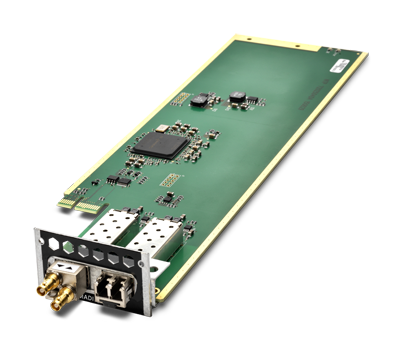
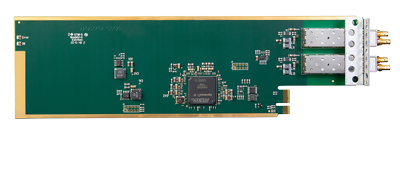
Option für Pro Tools | MTRX Base Gerät. Benötigt zusätzliches SFP Modul (optisch oder koaxial).für MTRX und MTRX II Achtung: Abbildung zeigt ein voll bestücktes Chassis Modul mit SFP!
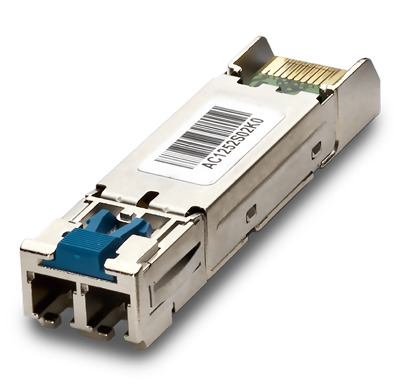
Für Pro Tools | MTRX. HD MADI und die meisten Pro Audio Geräte verwenden eine 1300nm Multi-mode Fiber Verbindung.
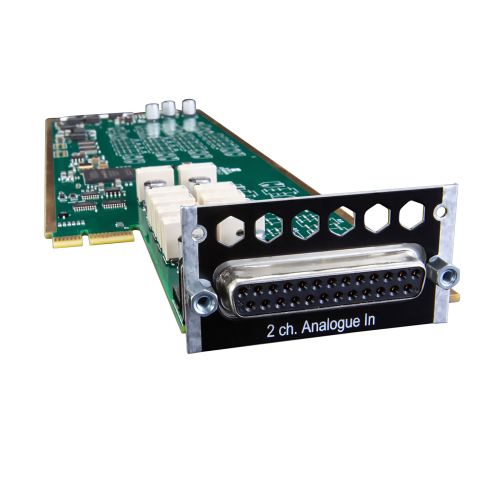
Pro Tools MTRX 2 Mic/Line Pristine AD CardSteckkarte mit 2 analogen Remote Mic/Line-EingangskanälenPasst in einen Modulschacht im Pro Tools MTRX / MTRX II Basisgerät (AVPTMXIIBASE). Relais-basierte Eingangsverstärkungsschaltung. Ideal für Talkback und Tracking. Mikrofonvorverstärker 2 Eingangsverstärkung -18 to +70 dB in 0,1dB-Schritten Max. Eingangspegel von 9 dBu bis 30 dBu in 0.1 dB-Schritten Äquivalentes Eingangsrauschen Mic Pre < -133 dBA Abtastrate, Auflösung 5-bit sigma/delta @ 5.645 oder 6.144 MHz, 24-bit PCM DSD Abtastraten 2.8224 und 5.6448 Mhz (64 und 128 fs) THD+N (A) < -117 dB @ -3 dB FS / 0.00014% Übersprechen < -120 dB Eingangsimpedanz > 10 k Ohm
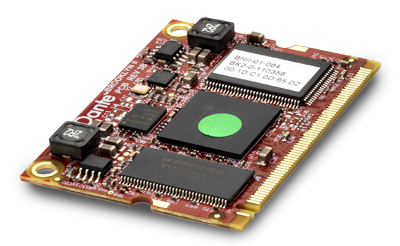
Pro Tools MTRX 64 Kanal IP Audio Dante ModulSteckkarte DANTE / AES67 / AoIP via EthernetNur für MTRX, nicht für MTRX II 64 Audio-Kanäle bei 44.1/48 kHz, 32 Kanäle bei 88.2/96 kHz oder 16 Kanäle bei 176.4/192 kHz Wird in dem dafür vorgesehenen Slot auf dem Motherboard des MTRX Basisgeräts montiert Nutzt die Ethernet-Ports des MTRX Basisgeräts
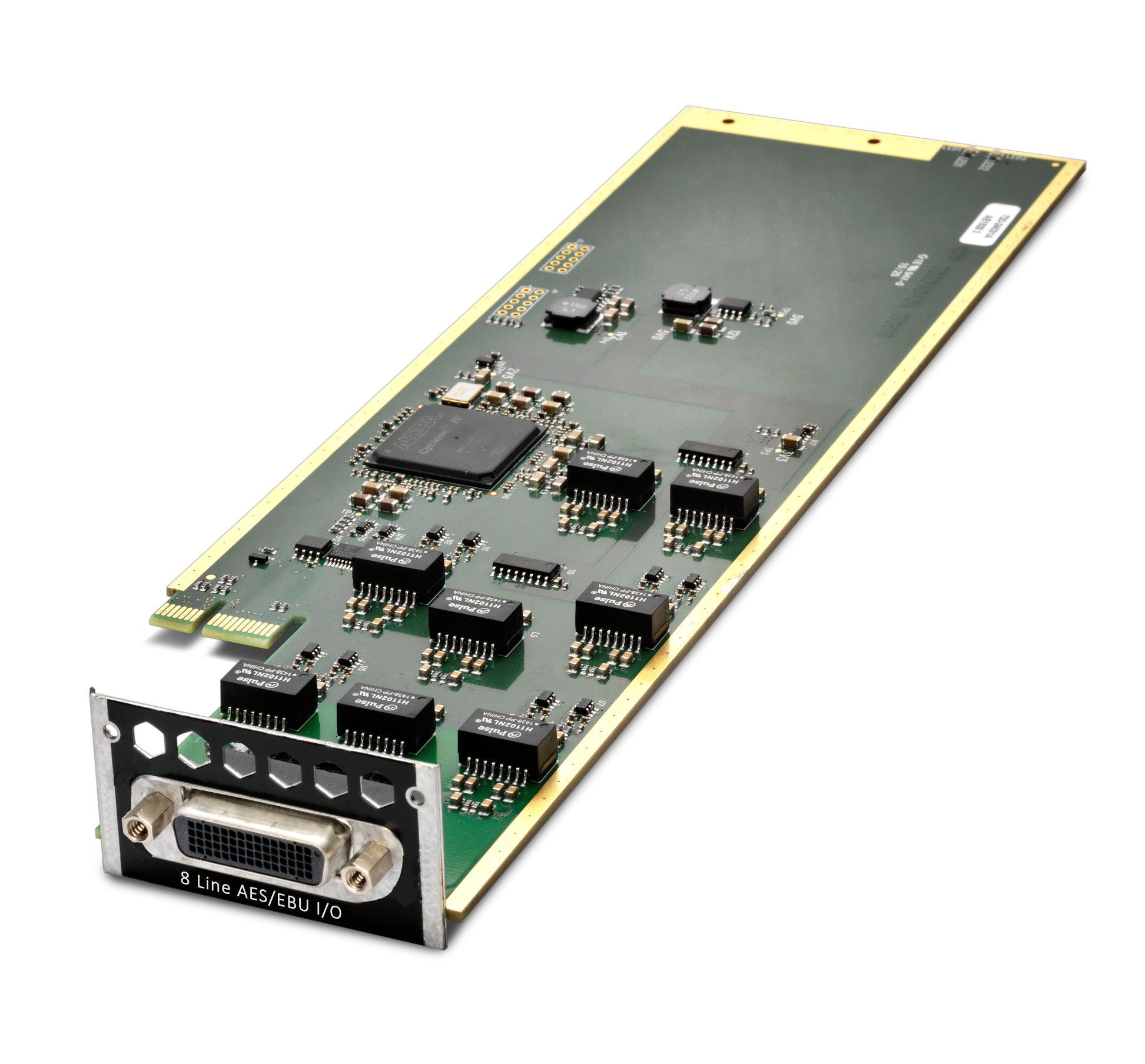
Pro Tools MTRX 8 AES3 I/O Steckkarte mit 8 AES/EBU Ein/Ausgangskanälen Passt in einen Modulschacht im Pro Tools MTRX/MTRX II Basisgerät (AVPTMXBASE bzw. AVPTMXIIBASE). Mit eingebauter Abtastratenkonvertierung.Passende Breakout Kabel: AVCBMXLFX oder AVCBMXLFDB
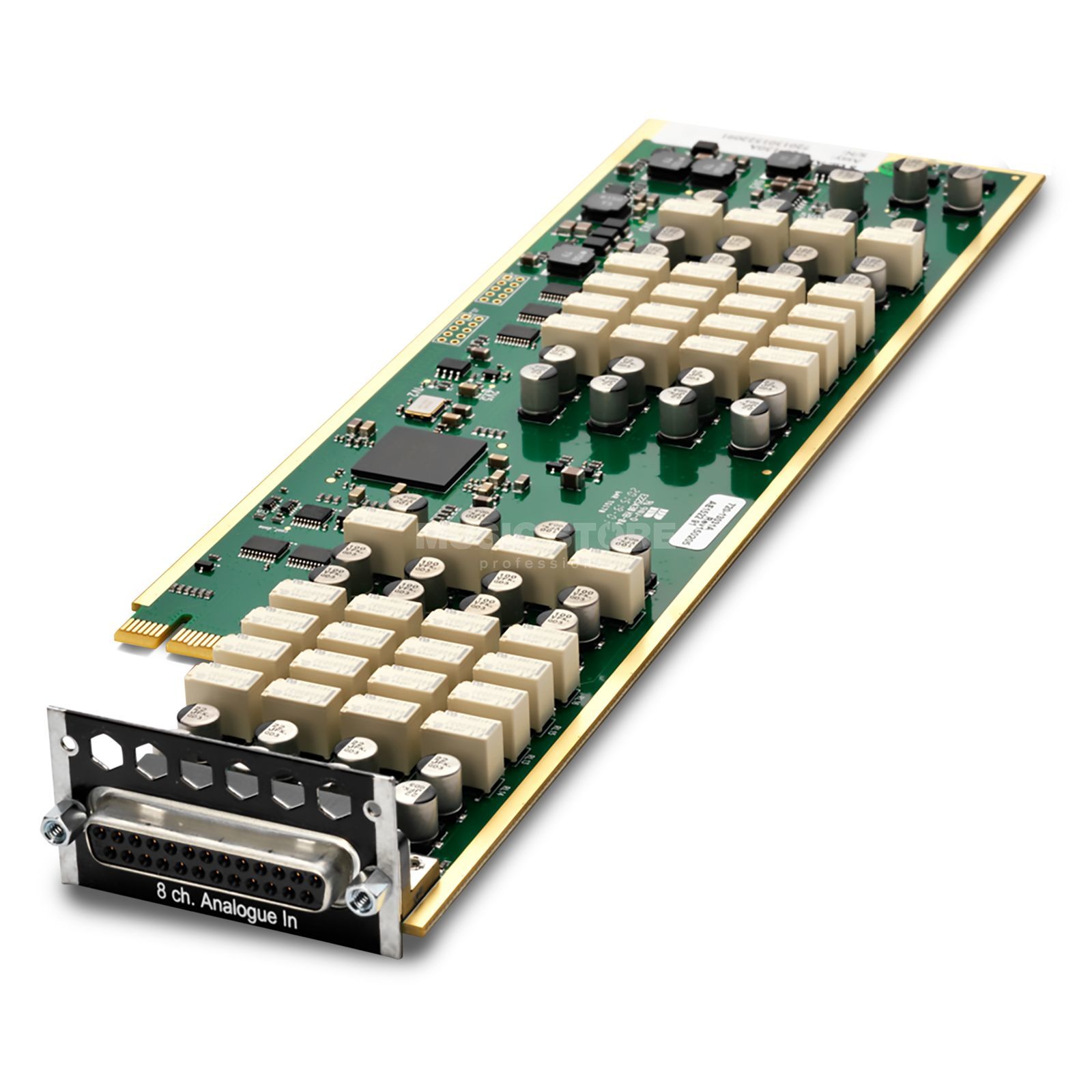
Pro Tools MTRX 8 Line Pristine AD CardSteckkarte mit 8 analogen Line-EingangskanälenPasst in einen Modulschacht vom Pro Tools MTRX / MTRX II Basisgerät (AVPTMXIIBASE). Bis zu 6 x 8 = 48 analoge Eingangskanäle möglich.25-poliger D-SUB Anschluss. Passende Kabel im Abschnitt "Zubehör". Max. Eingangspegel von 9 dBu bis 30 dBu in 0.1 dB-Schritten Abtastrate, Auflösung 5-bit sigma/delta @ 5.645 oder 6.144 MHz, 24-bit PCM DSD Abtastraten 2.8224 und 5.6448 Mhz (64 und 128 fs) THD+N (A) < -117 dB @ -3 dB FS / 0.00014% Übersprechen < -120 dB Eingangsimpedanz > 10 k Ohm
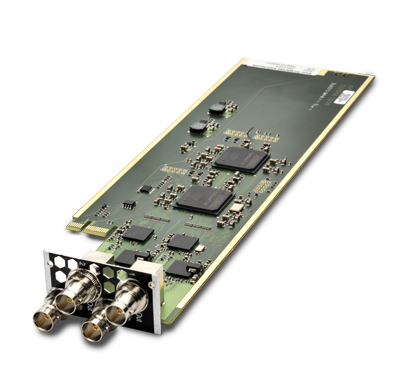
Pro Tools MTRX Dual SDI/HD/3GSteckkarte mit SRCPasst in einen Modulschacht im Pro Tools MTRX Basisgerät (AVPTMXBASE). 2 x 16 Kanäle SDI/HD/3G (embed/de-embed) mit integrierter Abtastratenkonvertierung.
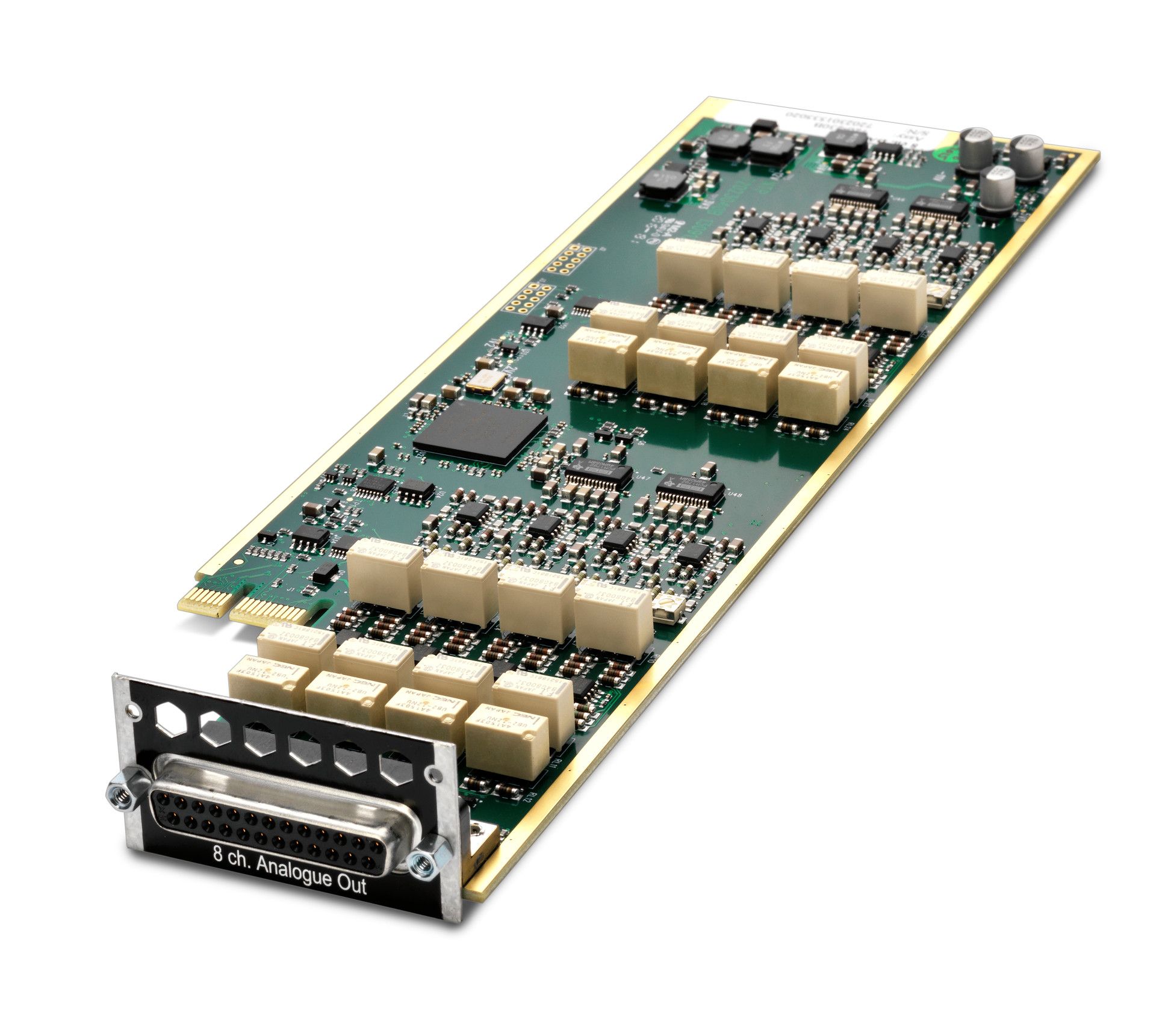
Pro Tools MTRX Pristine 8 DA KarteSteckkarte mit 8 analogen AusgangskanälenPasst in einen Modulschacht vom Pro Tools MTRX / MTRX II Basisgerät (AVPTMXIIBASE). Analoge Ausgänge 8 Auflösung, Format 32x Oversampling, 1-bit DSD, 24-bit PCM PCM (DXD) Abtastraten 44.1, 48, 88.2, 96, 174.4, 192, 352.8, 384 kHz DSD Abtastraten 2.8224 und 5.6448 Mhz (64 and 128 fs) Dynamikumfang (A) > 128 dB THD+N (A) < -110 dB @ -3dB FS Übersprechen < -120 dB Maximaler Ausgangspegel von -60 dBu bis 24 dBu in 0,1 dB-Schritten regelbar
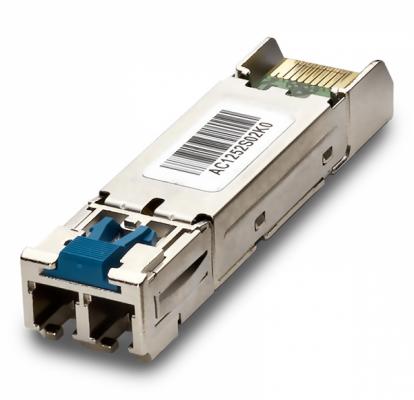
Für Pro Tools | MTRX.
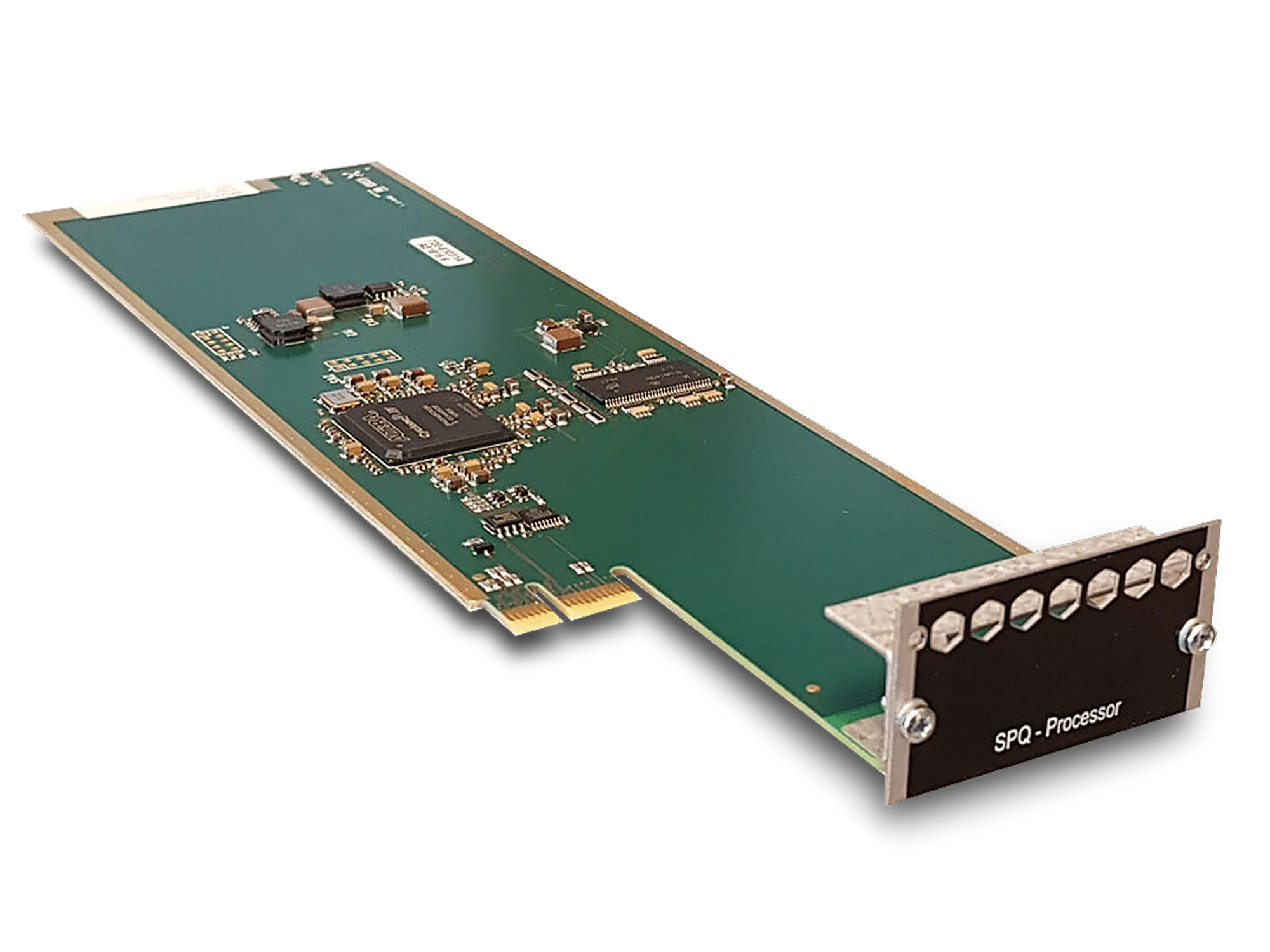
Hinweis: Nur für MTRX, nicht für MTRX IIDie SPQ Speaker Processing Karte erlaubt die Optimierung der angeschlossenen Abhörmonitore, Cue Signale und Subwoofer. Sie ermöglicht eine präzise Kalibrierung der Abhörumgebung und die Justierung des Raums für Mischungen verschiedenster Formate inklusive Immersive Audio wie Dolby Atmos. Konfigurationen können in Presets gespeichert und wieder aufgerufen werden. Die Feinjustierung geschieht mittels bis zu 1024 IIR Filtern auf 128 Kanälen (bis zu 16 Filter pro Kanal).Die SPQ – Speaker Processor Karte wird in einen der acht Steckplätze des MTRX Basisgeräts montiert. Die SPQ Karte hat keine physischen Ein- oder Ausgänge, da es sich um eine reine Prozessorkarte handelt. Sie stellt Filter für kanalbasierte Lautsprecherentzerrung und Bass Management zur Verfügung. Die Verwaltung und Einstellung der Regler und Schalter wird in der DADman Kontroll-Software vorgenommen. SPQ Presets werden in dem Pro|Mon Monitorprofil in DADman gespeichert.Die Frequenzanalyse wird mit einem separaten Messprogramm durchgeführt, sie ist kein Bestandteil der SPQ und Pro|Mon Funktionalität. Die Korrekturkurve wird dann manuell mithilfe der Filter eingestellt.Leistungsmerkmale 128 Kanäle @ 48 kHz 64 Kanäle @ 96 kHz 16 Kanäle @ bis zu 384 kHz 1,024 IIR (Infinite Impulse Response) Filter Raumanpassung: bis zu 16 Filter pro Kanal Bass Management unterstützt mehrfache Subwoofer Unterstützte Abtastraten: 44.1 kHz – 384 kHz Delay: variabel bis 200 ms pro Kanal; globales Delay für Video Sync Unterstützte Audioformate: Multikanal-Audio-Setups inklusive Stereo, 5.1, 7.1, und 64-Kanal Dolby Atmos mit Lautsprecherabgleich für verschiedene Immersive Audio Formate Software Integration: Einbindung in DADman und Pro | Mon für das Speaker-Management und –Überwachung, Abspeichern und Wiederaufruf von Presets
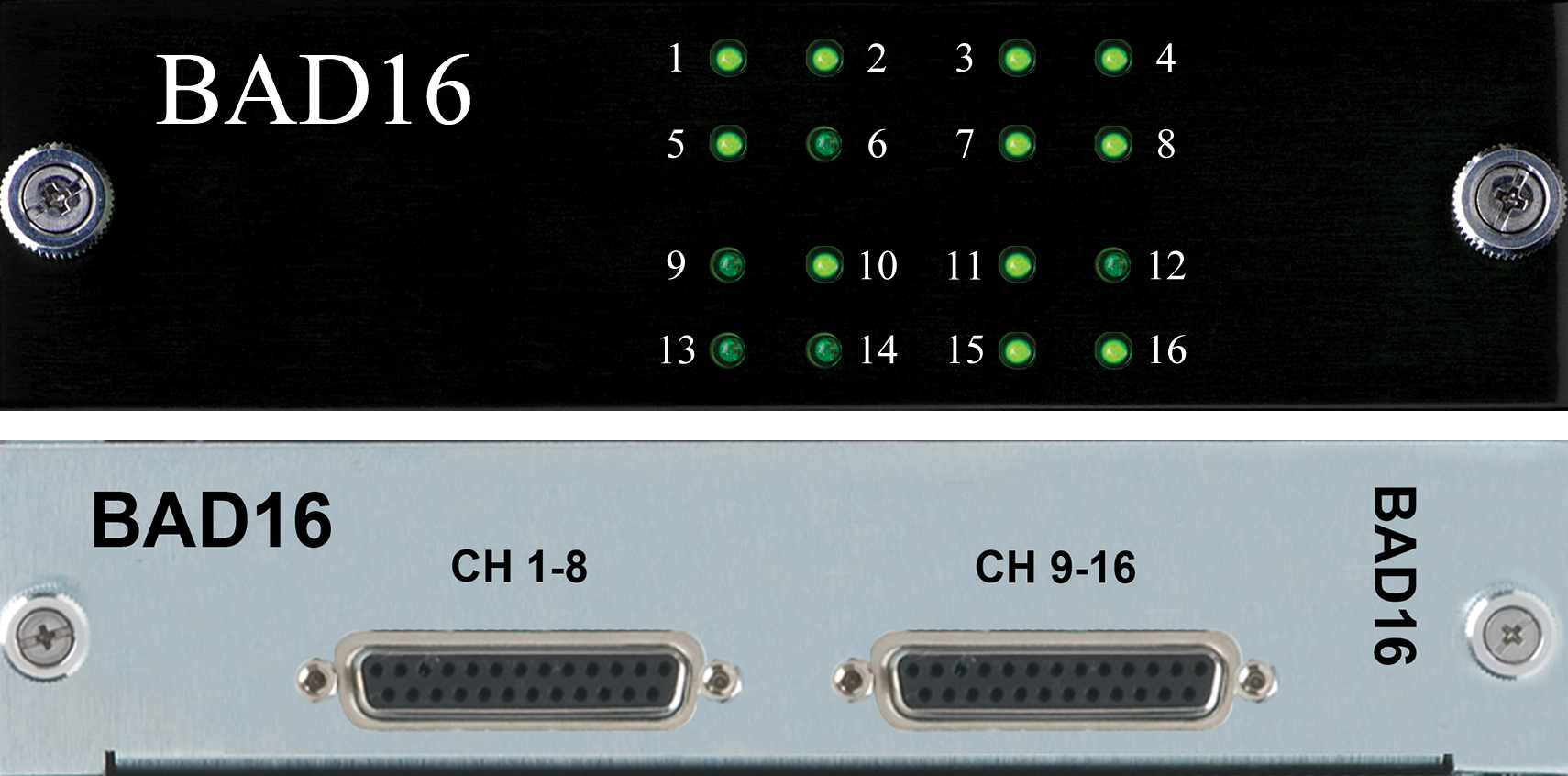
BURL Audio is proud to announce the BAD16, the latest BURL BLACK ADC Daughter Card offering for the BURL Audio B80 and B16 Motherships. The BAD16 features 16 channels of all discrete transistor, class-A, transformer coupled, Analog to Digital Conversion. The BAD16 employs the latest BURL Audio NextGen analog section featuring the brand new BX8 transformer, a smaller form factor input transformer for higher channel density. With its higher channel density, the BAD16 brings the superior class-A analog technology that BURL Audio is known for, at a lower cost per ADC channel compared to the existing BURL GREEN ADC line. The BAD16 in a B16 chassis is the ideal 16 channel input solution for recording musicians or project studios who have yearned for a Mothership, but the price point was beyond their budget. The BAD16 now brings the incredible BURL Audio fidelity to those looking to up their game without breaking the bank. The BAD16 in a B80 chassis is also ideal for those who need a very large input channel count in one B80 chassis. With 8 BAD16s in a B80 chassis, the maximum input channel count is 128 input channels when using a BMB2-MADI or BMB3-DANTE at 44.1kHz or 48kHz. Likewise a 64 input x 64 output B80 can be realized in one B80 chassis using any B80-BMBx Motherboard and the complementary BDA16.
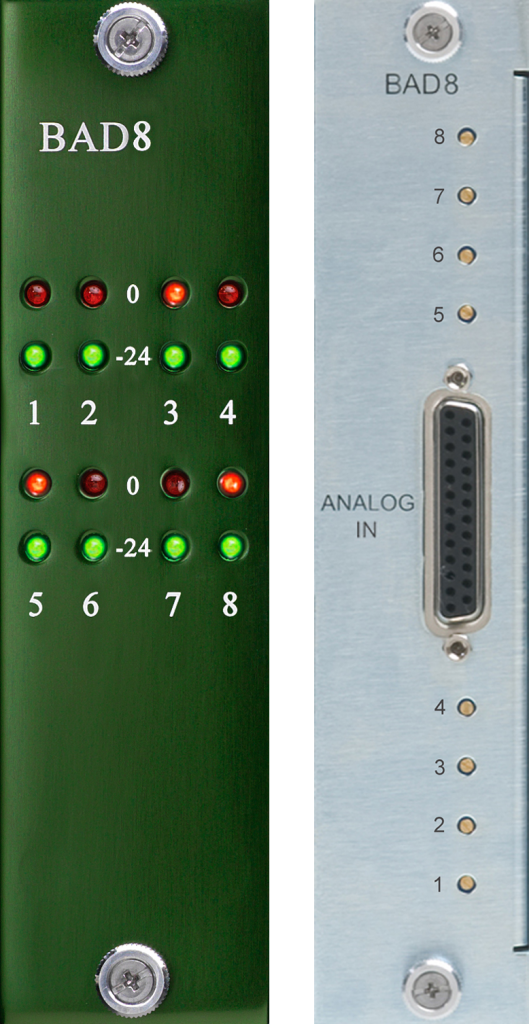
The BAD8, our 8-channel analog-to-digital daughter card for the B80 and B16 MOTHERSHIP is the result of over 25 years of R&D A/D design experience. Following on the overwhelming success of the B2 BOMBER ADC and the BAD4, the BAD8 employs a next-generation analog circuit path and the latest in analog to digital conversion. This is a no-compromise design utilizing all class-A, discrete transistor circuitry and the legendary BX1 transformer coupled input. The BAD8 benefits from the new form factor of the BX1 transformer, allowing for more channel density. The BAD8 also boasts the latest analog-to-digital conversion technology giving it a great tone with even greater detail and amazing low latency.
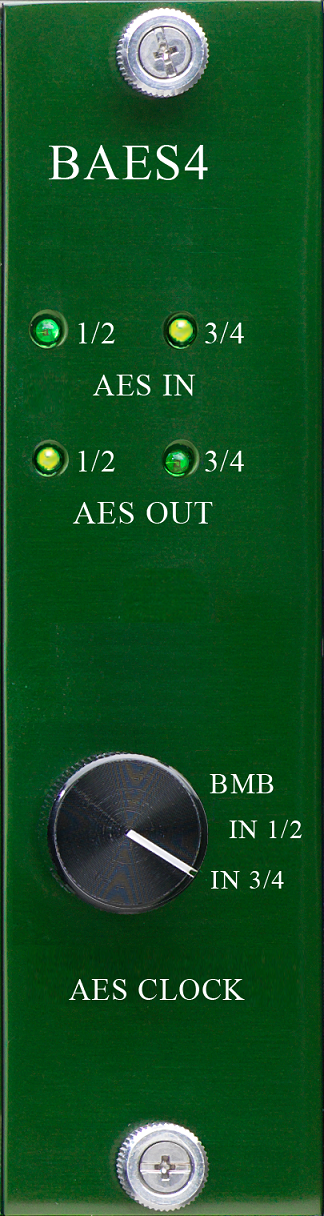
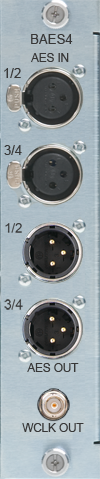
The B80 and B16 MOTHERSHIP daughter card slots can be used for amazing AD/DA conversion, but also for digital IO and clock output. The BAES4 card features 4 channels of AES/EBU IO and the ability to recover and sync to the incoming AES stream.
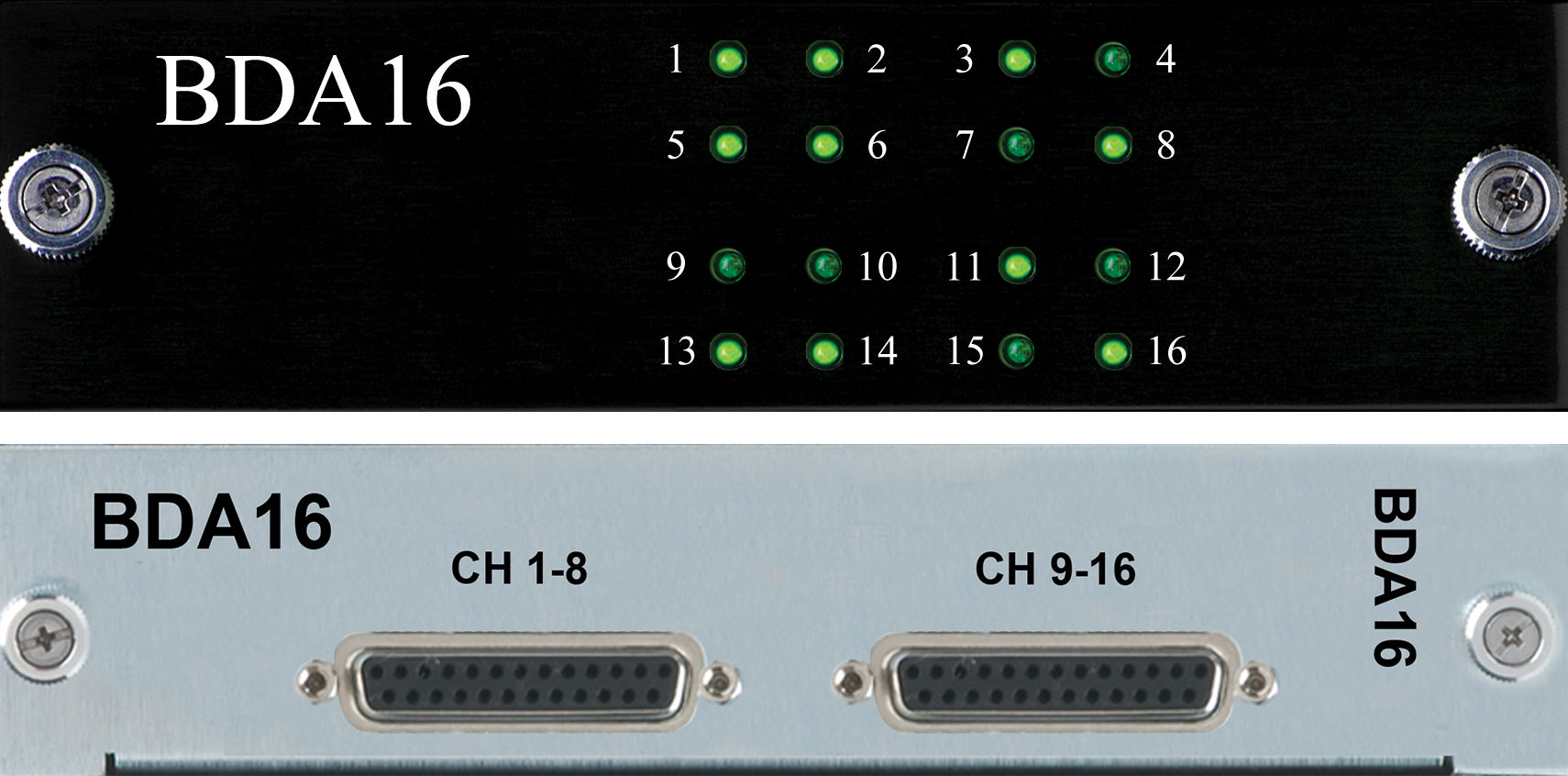
BURL Audio is proud to announce the BDA16, the latest BURL BLACK Daughter Card offering for the BURL Audio B80 and B16 Motherships. The BDA16 features 16 channels of all discrete transistor, class-A, discrete op-amp, Digital to Analog Conversion. The BDA16 employs the latest BURL Audio NextGen analog section featuring theBOPA14 op-amp, and a smaller form factor DAC chip for increased channel density. With its higher channel density, the BDA16 brings the superior class-A analog technology that BURL Audio is known for, at a lower cost per DAC channel compared to the existing BURL GREEN DAC line. The BDA16 in a B16 chassis is the ideal 16 channel output solution for recording musicians or project studios who have yearned for a Mothership, but the price point was beyond their budget. The BDA16 now brings the incredible BURL Audio fidelity to those looking to up their game without breaking the bank.
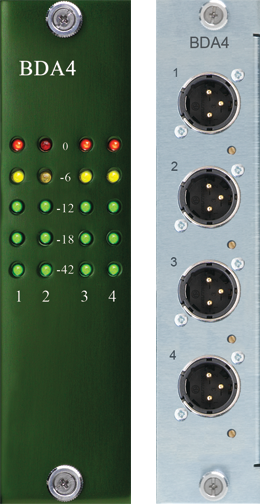
The BDA4, transformer coupled, 4-channel digital-to-analog converter Daughter Card for the B80 and B16 MOTHERSHIP is the result of over 25 years of R&D experience in pro audio digital and analog design. Following on the success of the B2 BOMBER DAC and the BDA8 for the MOTHERSHIP, the BDA4 utilizes the newly developed BOPA14 with BURL Audio’s NextGen Analog. The BOPA14 is followed by the renowned BX5 output transformer used in the B32 VANCOUVER MIX BUS.
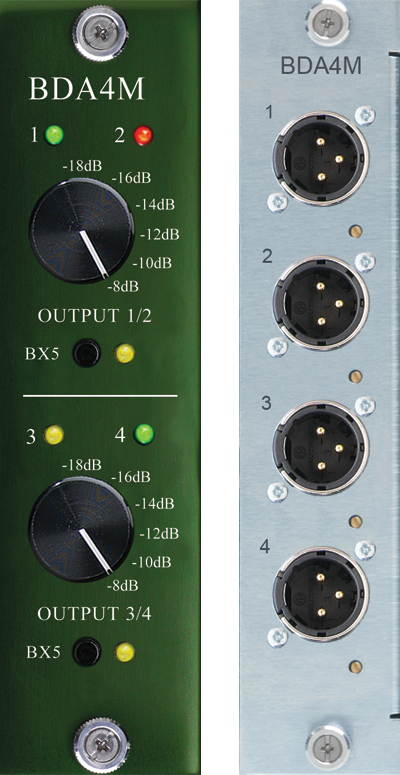
Announcing the BDA4M, a mastering grade DAC with stepped attenuators and switchable output transformers. Specifically designed for mixing and mastering, the BDA4M uses the latest BURL NextGen analog for superior fidelity and clarity. The BDA4M, switchable transformer coupled, 4-channel digital-to-analog converter Daughter Card for the B80 and B16 MOTHERSHIP is the result of over 25 years of R&D experience in pro audio digital and analog design. Following on the success of the B2 BOMBER DAC and the BDA8 for the MOTHERSHIP, the BDA4M utilizes the newly developed BOPA14 with BURL Audio’s NextGen Analog. The BOPA14 is followed by the renowned BX5 output transformer used in the B32 VANCOUVER MIX BUS.
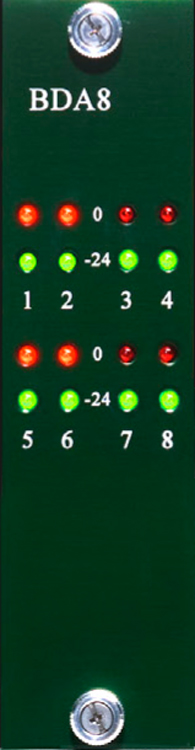
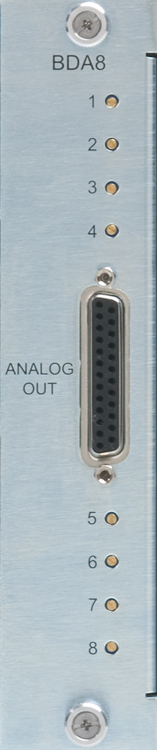
The BDA8, 8-channel digital-to-analog daughter card for the B80 and B16 MOTHERSHIP is the result of over 25 years of R&D D/A design experience and thousands of hours of listening tests. Following on the success of the B2 BOMBER DAC, the BDA8 utilizes the same digital-to-analog conversion technology as the B2 BOMBER DAC coupled with the BURL AUDIO proprietary BOPA14 discrete, class-A op amp. The combination is a sound that is real, open, and huge.
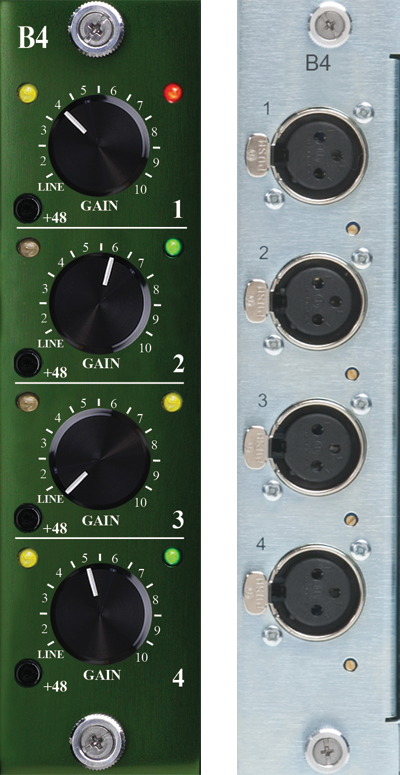
AT LONG LAST… BURL Audio is proud to announce the new B4 4-channel MIC/LINE input daughter card for the B80 and B16 MOTHERSHIPs. The B4 boasts the new BX6 input transformer designed for true MIC/LINE input impedance. The B4 maintains a no compromise, class-A analog circuit, followed by the same ADC we use in the BAD8. Using a single B80 chassis, 40 input channels of audiophile MIC/LINE inputs can be realized. With digital control and SoundGrid or Dante, the B80 MOTHERSHIP with the B4 MIC/LINE daughter card is the ultimate studio grade stage box.