
Bass / Broadband Absorbers
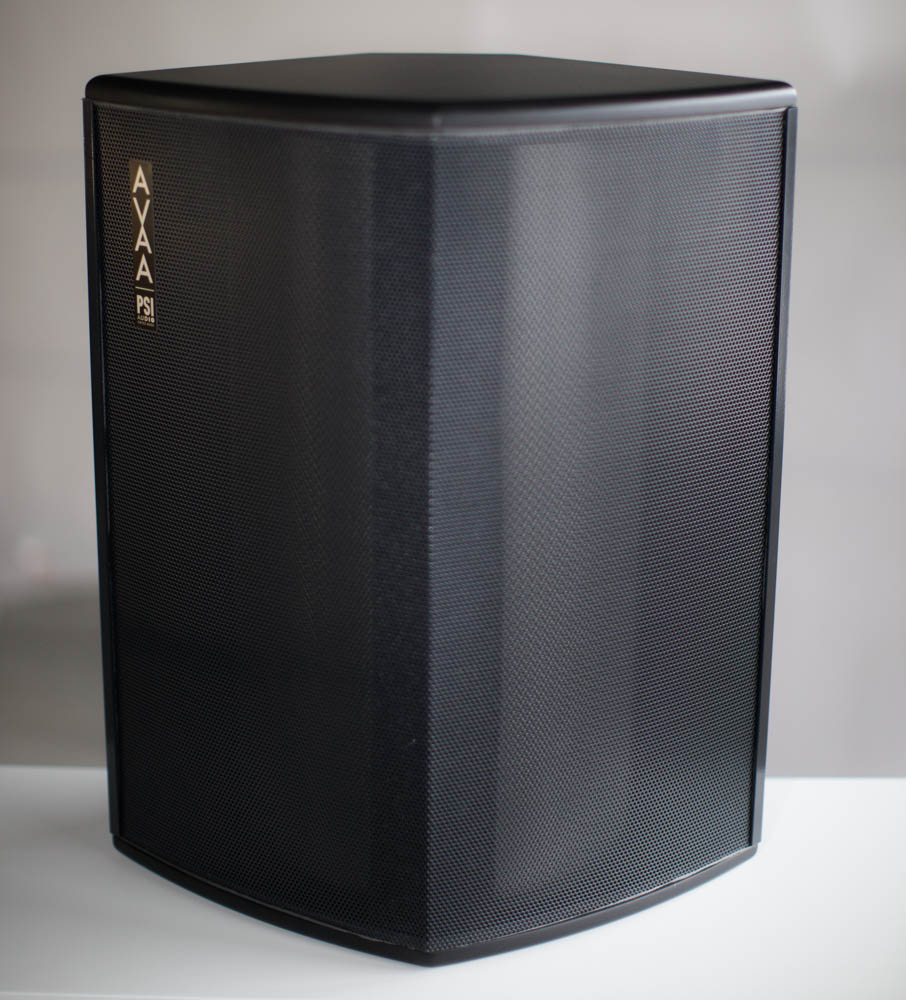
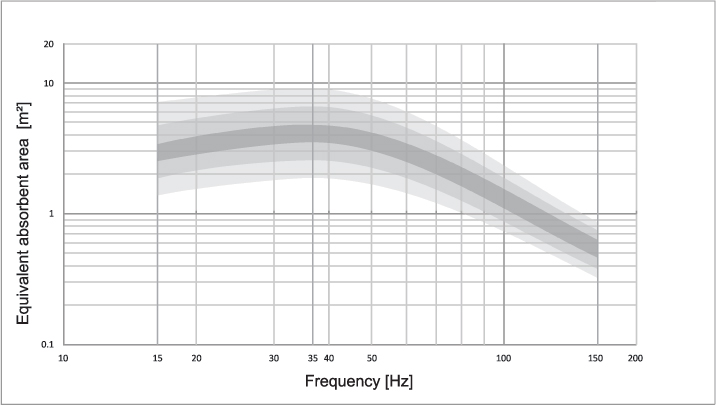
Product Key Features It is an efficient solution for room mode problems in low frequencies It works independently from any source of sound and doesn't alter it It is stable with no settings or measurements required It can be used in recording room, control room, listening room or any room that has low frequency problems It simply works like an acoustical element in the room It can be turned ON and OFF to alter the acoustic environment It can easily be moved into different rooms It doesn't emit any sound It has a small footprint and is a cost effective solution It is 100% analog - no DSP, no latency What does the AVAA do? The AVAA is designed to absorb the standing modes between 15 and 120 Hz in a room. It will do so just like passive absorbers but in a much more efficient way and using up much less space. Each operating AVAA will have the same effect as a hole in the wall much larger than the dimensions of the AVAA (that is 0.2 m2). The exact ratio will depend on the frequency and environment but typically range between 5 and 20. The AVAA will affect the impedance of the air and “suck” low frequencies around it. Therefore the best position to place an AVAA is in the most rigid corners as that is where all room modes will be most present. How does it work? Note that this technology has several international patents pending. A microphone will measure the acoustic pressure in front of an acoustic resistance. The acoustic resistance is designed to let air through but reducing significantly the pressure. A transducer membrane is driven to absorb the volume of air going through the acoustic resistance. This significantly reduced the acoustic pressure (between 15 and 120 Hz) around the microphone and around the AVAA. What does the AVAA not do? The AVAA is a solution for room modes below 120 Hz and absorbs low frequencies only. The AVAA will not absorb frequencies above approximately 150 Hz. It is therefore not a total solution for acoustically bad rooms. For best results, it needs to be combined with passive absorption in higher frequencies. What effect will the AVAA have in my room? The AVAA will have the same effect, on frequencies from 15 to 120 Hz, as opening a window about 5 to 10 times the size of the AVAA. This will impact sound in the time, frequency and space dimensions. Time: it will significantly reduce reverberation time in these frequencies especially on room modes. Frequency: with more precise and tighter bass, the masking effect of higher frequencies is reduced. Details in higher frequencies also become clearer. Space: with less indirect sound in the room, the location of the sound is more accurate making the sound image more precise. How many AVAAs do I need? An acoustician will be able to compute the effect of a certain number of AVAAs in a particular room. Depending on the dimension and type of room as well as the result required, between 2 and 8 AVAAs are necessary. For very small rooms a minimum of two AVAAs is recommended to have a symmetrical effect. For most normal size rooms (between 20 and 80 m2) it is recommended to use 4 AVAAs and for larger rooms the number can be increased to 6 or 8.


The new AVAA C214 active bass trap stands alongside its world-renowned sibling, the C20. The innovative AVAA technology eliminates room modes from 15 Hz to 160 Hz without the need for calibration or tuning. The result is much cleaner bass response in demanding listening environments such as professional studios or audiophile environments. While C20 uses pure analog technology, C214 uses innovative digital technology and employs smaller diaphragms for an even more compact design. Thanks to the integration of digital technology, AVAA C214 can be controlled via an app on a smartphone or tablet, further enhancing its outstanding sonic performance.
The new AVAA C214 active bass trap stands alongside its world-renowned sibling, the C20. The innovative AVAA technology eliminates room modes from 15 Hz to 160 Hz without the need for calibration or tuning. The result is much cleaner bass response in demanding listening environments such as professional studios or audiophile environments. While C20 uses pure analog technology, C214 uses innovative digital technology and employs smaller diaphragms for an even more compact design. Thanks to the integration of digital technology, AVAA C214 can be controlled via an app on a smartphone or tablet, further enhancing its outstanding sonic performance.
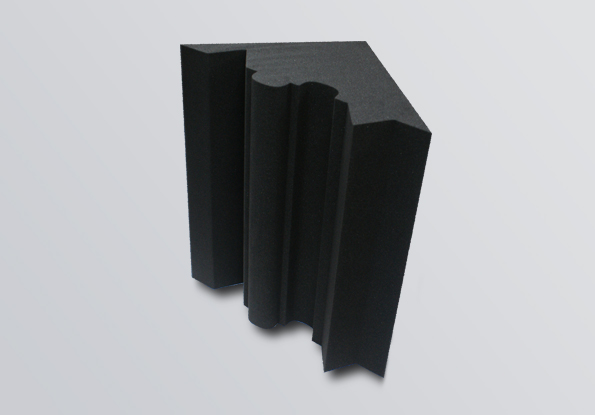
Die Absorbtion der tieffrequenten Anteile ist eine der wichtigsten Aufgaben der Raumakustik. Sonitos hilft mit seinen Produkten stehende Wellen wirksamt zu bekämpfen. Die Produkte sind aus hochwertigem Polyesterschaum gefertigt. Maße: 37x37x60 cm Inhalt: 2 Stck.
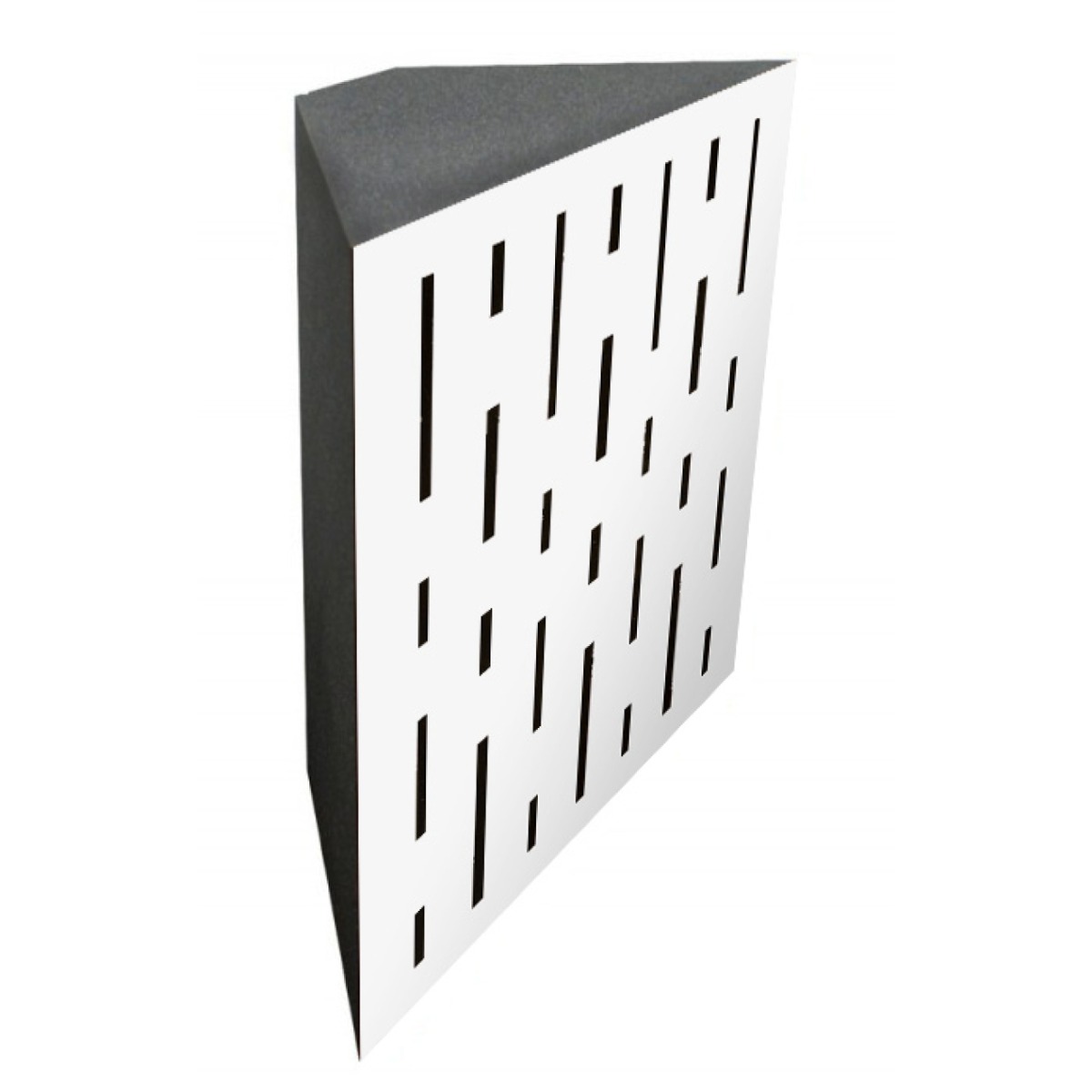
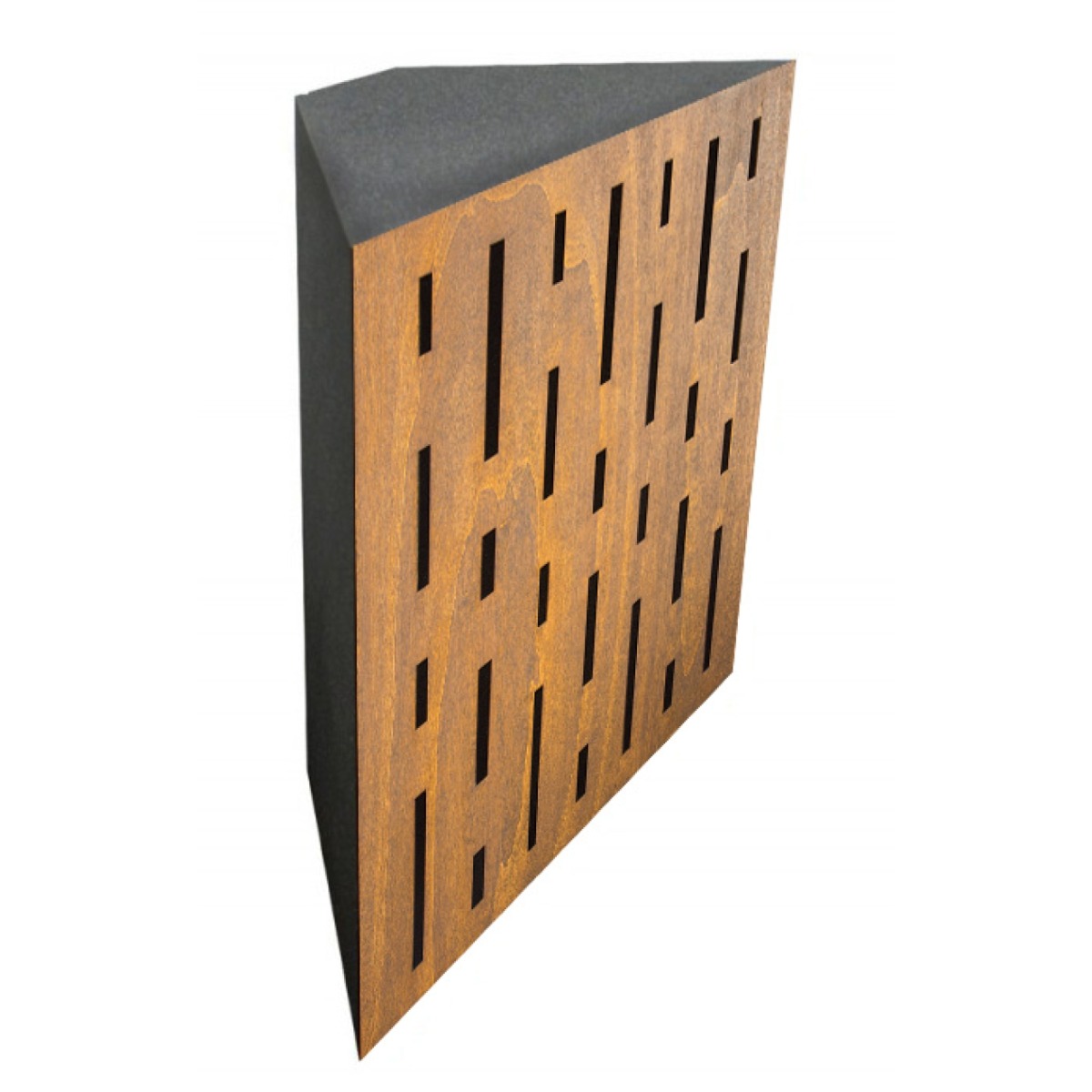
Der Decotrap Natur ist das derzeitige Topmodell unter den Tieftonabsorbern. Maße:60x60cm (Front), Kantenlänge 43 cm Polyesterschaum mit 40kg/m3 Gewicht ansprechende Front mit 3 mm Pappelholz in sechs Oberflächen
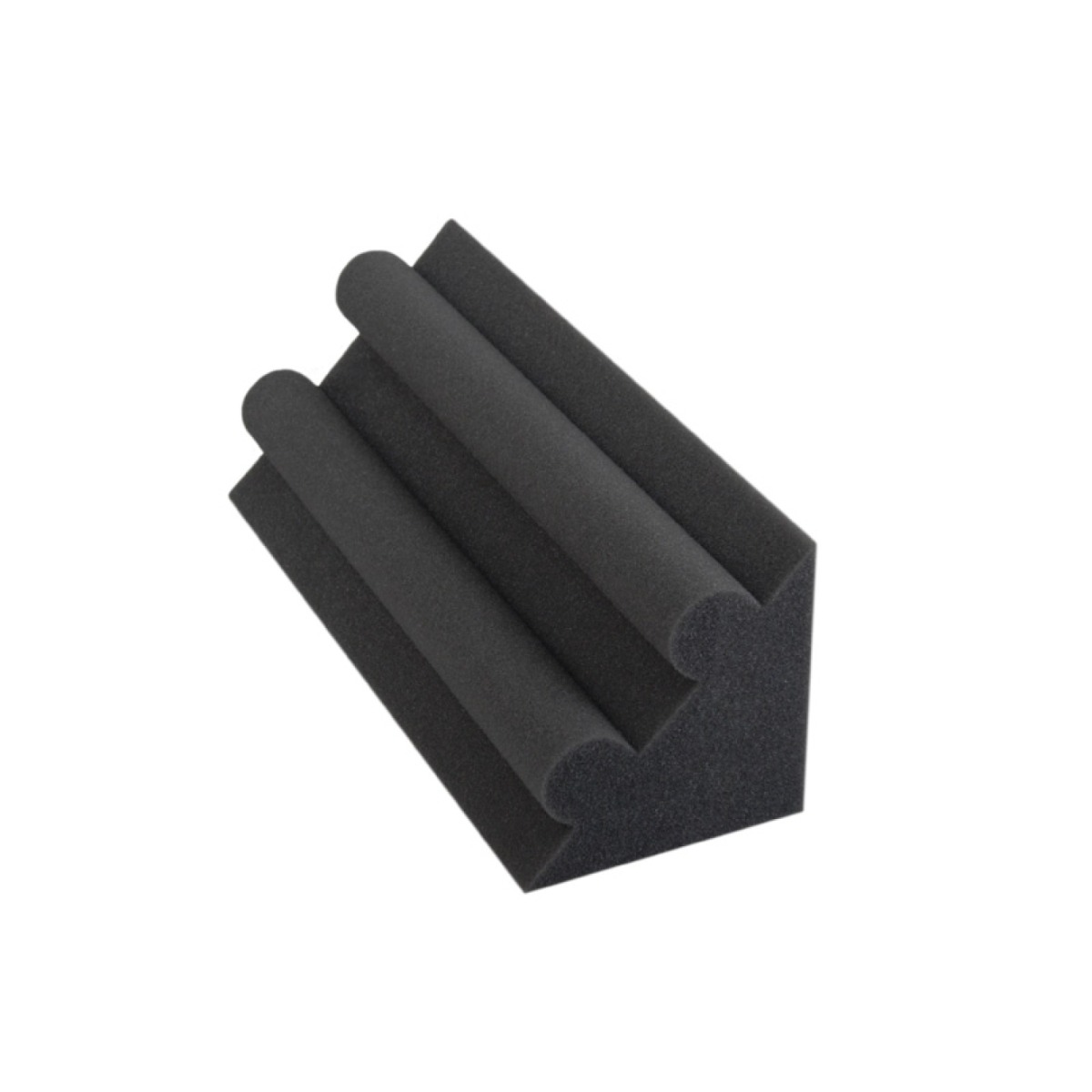
Sonitus LOW KILLER Basstrap Die Absorbtion der tieffrequenten Anteile ist eine der wichtigsten Aufgaben der Raumakustik. Sonitos hilft mit seinen Produkten stehende Wellen wirksamt zu bekämpfen. Die Produkte sind aus hochwertigem Polyesterschaum gefertigt. Maße: 35x35x60 cm Inhalt: 2 Stck.
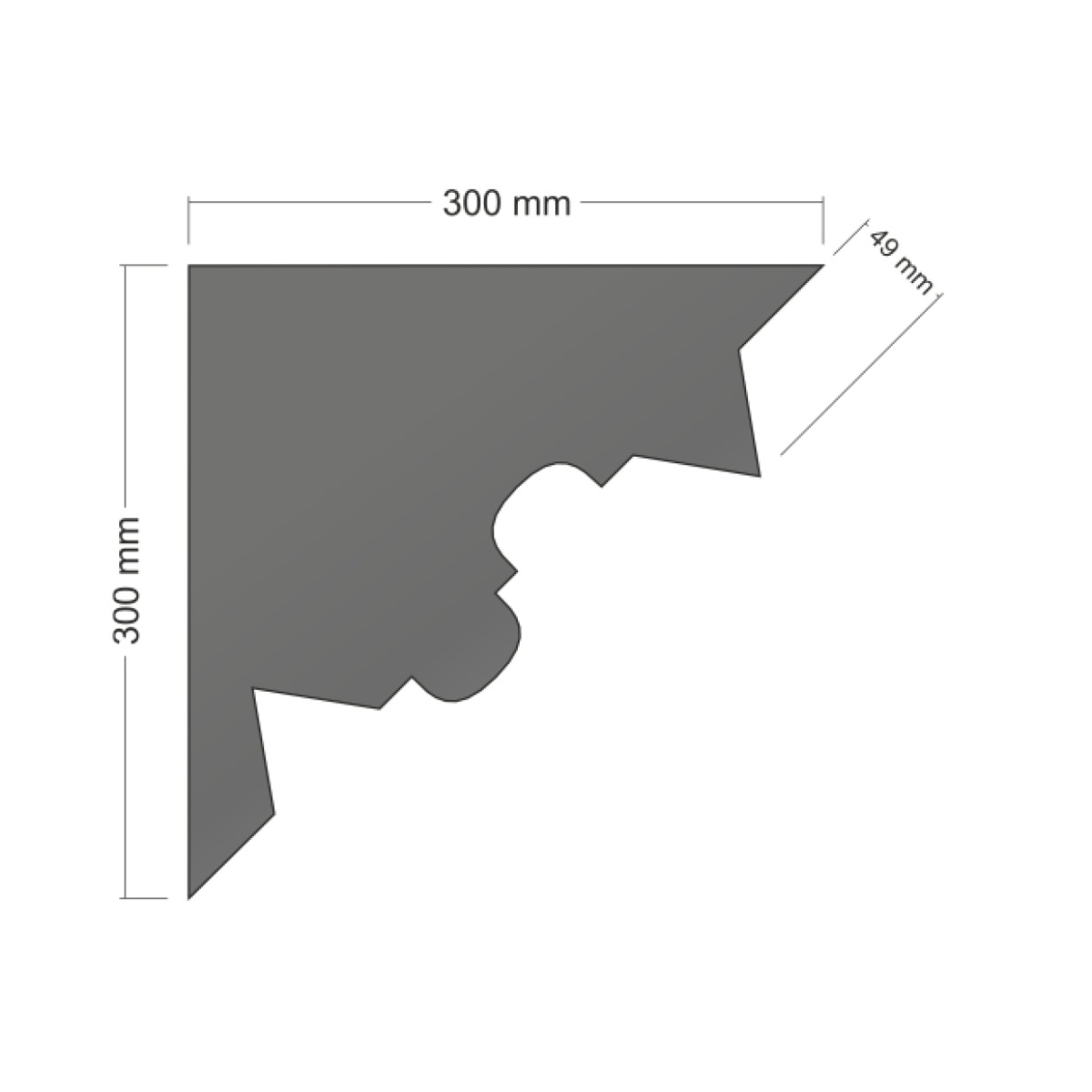
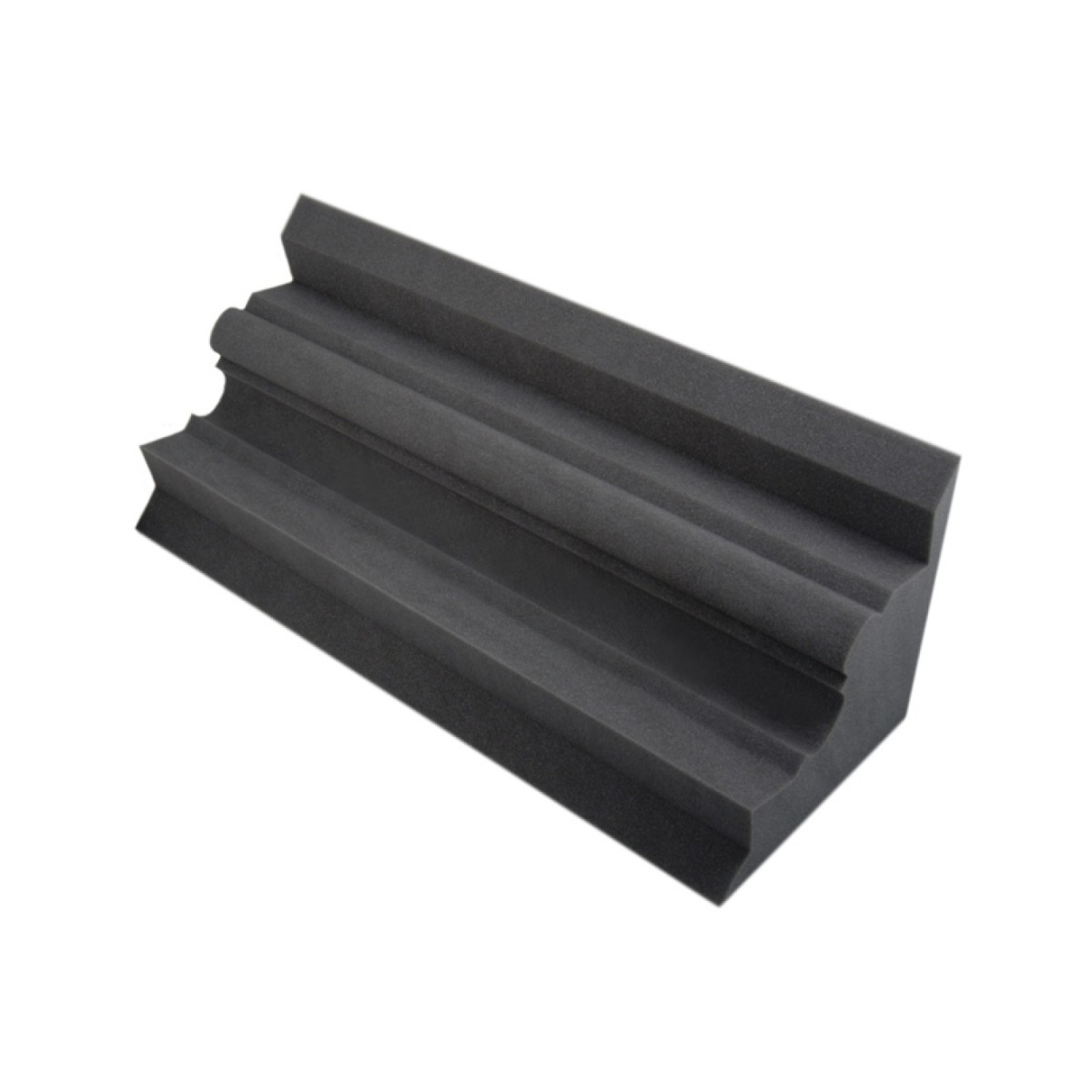
Die Absorbtion der tieffrequenten Anteile ist eine der wichtigsten Aufgaben der Raumakustik. Sonitos hilft mit seinen Produkten stehende Wellen wirksamt zu bekämpfen. Die Produkte sind aus hochwertigem Polyesterschaum gefertigt. Maße: 30x30x60 cm Inhalt: 4 Stck.
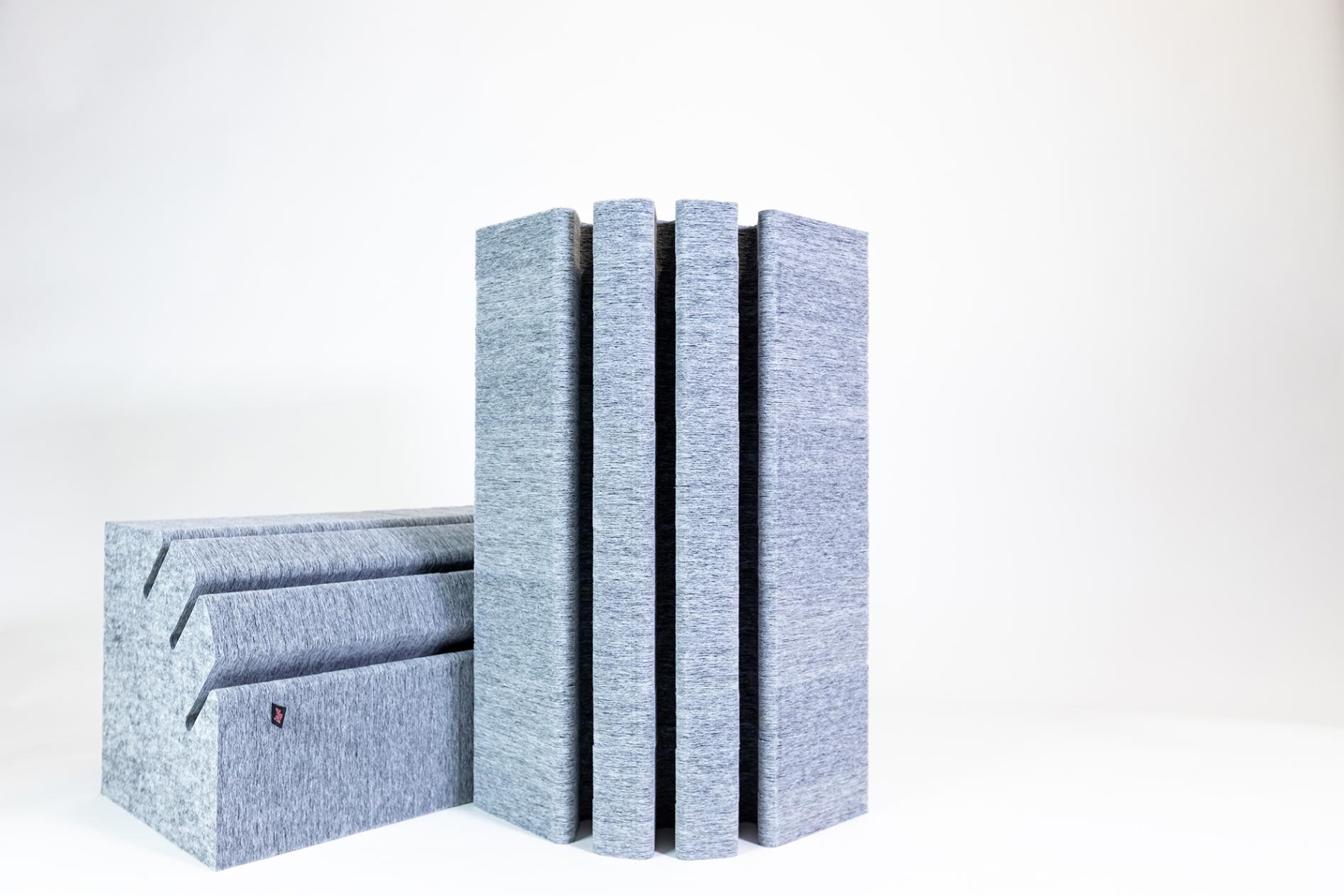
Designed especially for corners, considerably reducing standing waves, making it ideal for recordings. Greater power to absorb very low frequencies even below 125Hz.

Our beast for large rooms. Specially for corners, considerably reducing standing waves, making it ideal for recordings. Greater power to absorb very low frequencies even below 80Hz.

Bass Traps are considered to be one of the best-optimized solutions when treating low frequencies. They are also an excellent complement to other acoustic products. The unique shape of the Mega Fuser Bass Traps allows you to minimize the dramatic effects that result from Resonating Waves, commonly associated with the “boomy” sound often heard in untreated rooms.

These Bass Traps, sold in sets of four units per package, are considered to be one of the best-optimised solutions when treating low frequencies. They are also an excellent complement to other acoustic products. The unique shape of all the Bass Trap options allows you to minimize the dramatic effects that result from resonating waves, commonly associated with the "boomy" sound often heard in untreated rooms. Super Bass 90 combines several techniques to treat low frequencies in a room. Using Vicoustic patented technology, these Bass Traps are the perfect complement to the Studio Line absorption panels.

Bass frequency resonance is one of the most difficult acoustic issues to solve in any room. Until now, the most effective options have generally involved using bass traps that are specifically designed, or customised to fit the room. However, these solutions can often be expensive and invariably involve complex measuring procedures. There’s also little scope for flexibility if changes are made to the listening space, such as moving furniture or gear. Vari Bass Ultra is designed for use in any professional recording space, home studio, or Hi-Fi room. Made from MDF with High-Pressure Laminate, it includes high-density acoustic foam in the interior that was covered with grey fabric. The bass trap can be tuned between 50Hz-100Hz by simply moving up or down its top (which has a series of resonant pots) until the problem disappears. A scale is included to show the exact frequencies on which the Vari Bass Ultra is acting.