
Patchbays
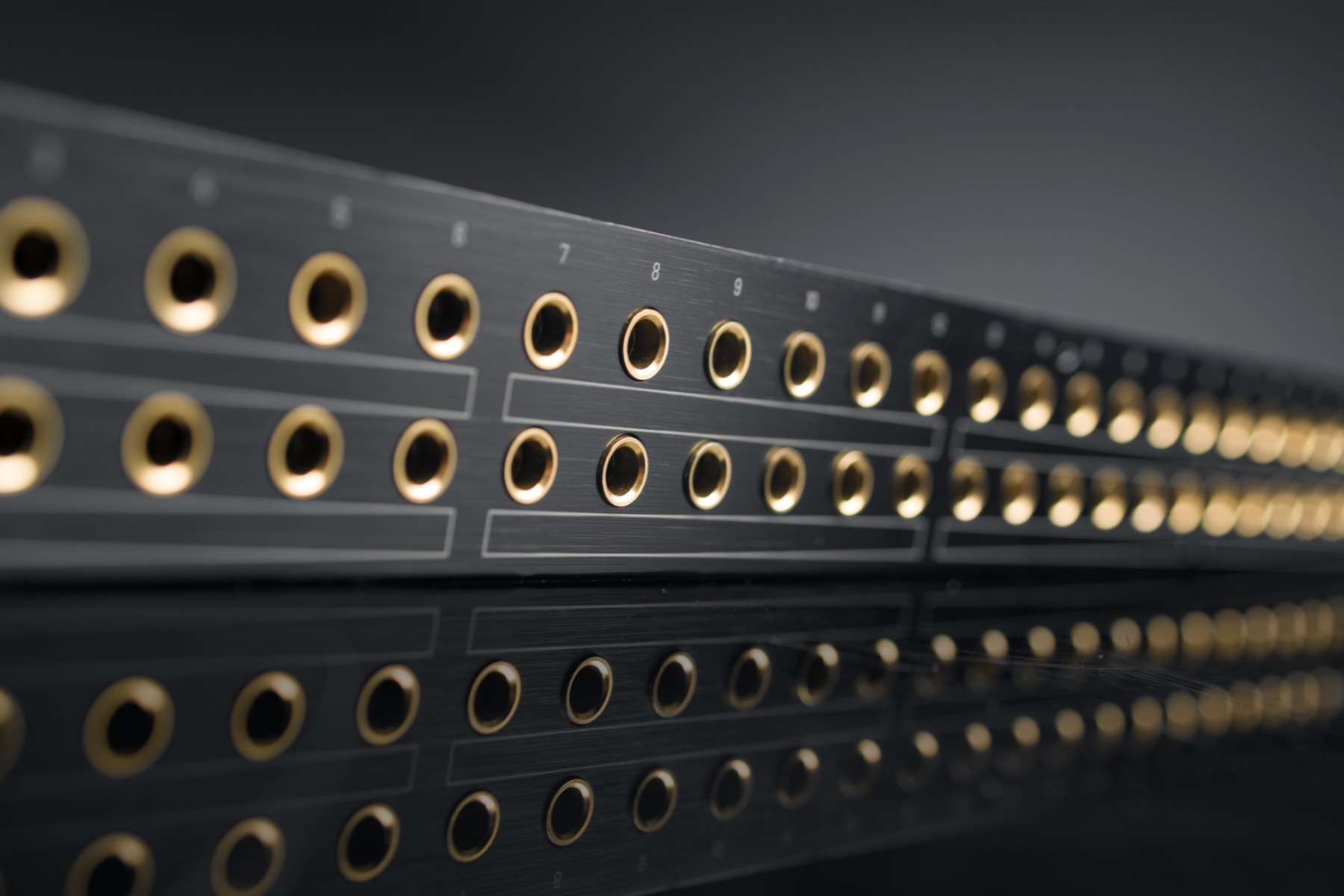
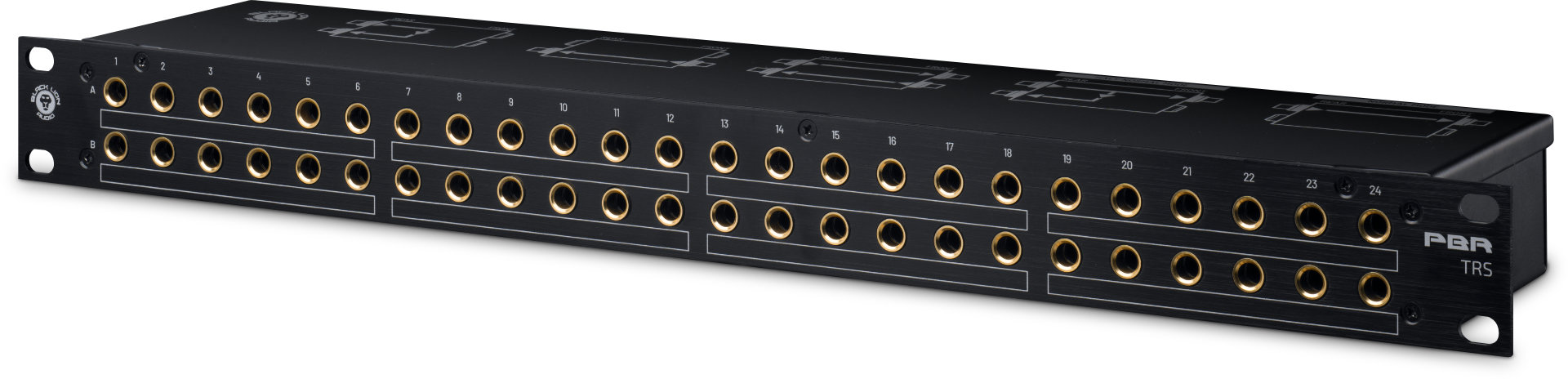
Black Lion Audio präsentiert mit der PBR Serie drei neue Patchbays im Rackformat. Unter anderem die PBR TRS mit 48 symmetrischen Klinkenanschlüssen. Zum Erhalt der höchsten Klangqualität in der Signalkette wurden Bauteile und Verarbeitung klassischer Patchbays weitestmöglich optimiert. Mit ihrem praktischen und eleganten Design aus schwarz eloxierter Aluminium-Frontplatte und vergoldeten Anschlussbuchsen fügen sich die Patchbays der PBR Serie hervorragend in jedes anspruchsvolle Studio ein. Funktionen: Patchbay mit 48 symmetrischen Klinkenanschlüssen alle Vorzüge klassischer Patchbays bei hochwertiger Verarbeitung und Klangqualität Optimierung von Bauteilen und Verarbeitung herkömmlicher Patchbays Umschaltung der Normalisierungsmodi auf der Rückseite per Knopfdruck Alle Anschlüsse vergoldet Frontpanel aus schwarz-eloxierten Aluminium Vielseitiges Routing mit herausragender Klangqualität Gewicht: 1,4 kg Maße (L x B x H): 53 cm x 10 cm x 5 cm


Black Lion Audio präsentiert mit der PBR Serie drei neue Patchbays im Rackformat. Unter anderem die PBR TRS-BT mit 46 symmetrischen Klinkenanschlüssen und einem Bluetooth®-Modul. Zum Erhalt der höchsten Klangqualität in der Signalkette wurden Bauteile und Verarbeitung klassischer Patchbays weitestmöglich optimiert. Mit ihrem praktischen und eleganten Design aus schwarz eloxierter Aluminium-Frontplatte und vergoldeten Anschlussbuchsen fügen sich die Patchbays der PBR Serie hervorragend in jedes anspruchsvolle Studio ein. Funktionen: Patchbay mit 46 symmetrischen Klinkenanschlüssen Bluetooth®-Kompatibilität für drahtlose Übertragung in die Signalkette Bluetooth®-Modul ausgestattet mit besten Codecs für verlust- und kabelfreie Audio-Übertragung alle Vorzüge klassischer Patchbays bei hochwertiger Verarbeitung und Klangqualität Einbindung von Quellen und Klangerzeugern mühelos von Smartphones und Tablets in Studio-Umgebung Optimierung von Bauteilen und Verarbeitung herkömmlicher Patchbays Umschaltung der Normalisierungsmodi auf der Rückseite per Knopfdruck Alle Anschlüsse vergoldet Frontpanel aus schwarz-eloxierten Aluminium Vielseitiges Routing mit herausragender Klangqualität Gewicht: 1,4 kg Maße (L x B x H): 53 cm x 10 cm x 5 cm
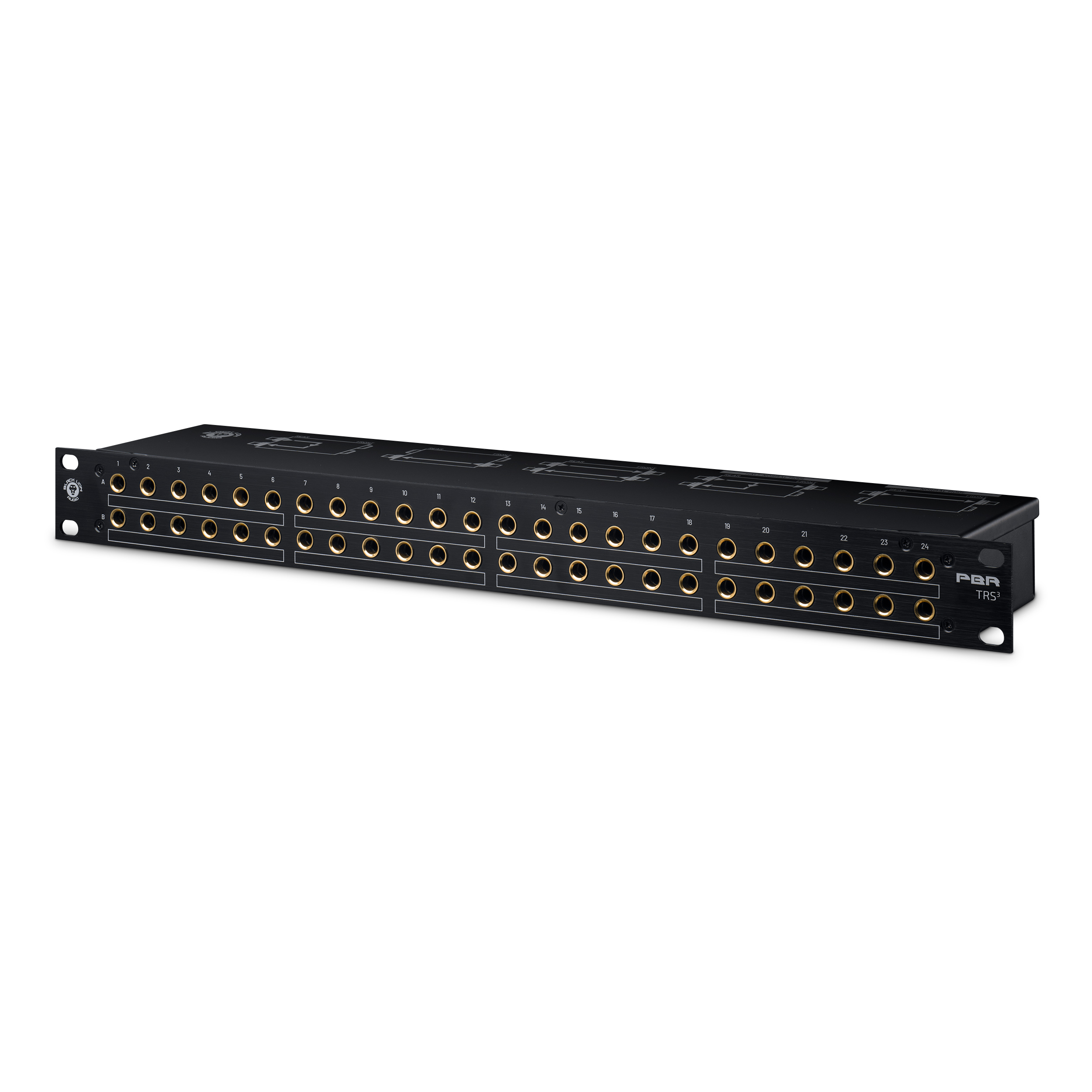
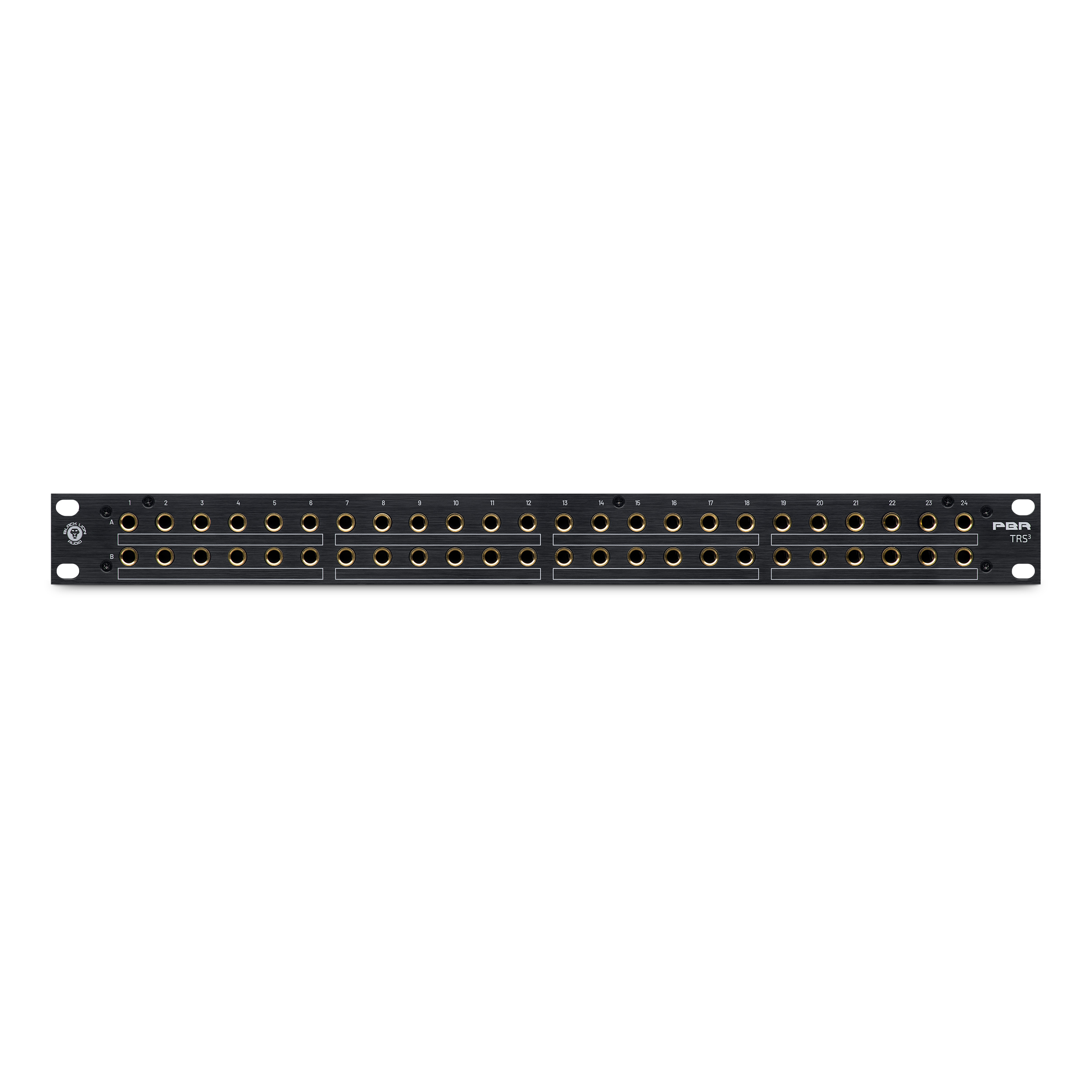
Your studio needs more than just accessible patching — exceptional audio quality through the entire signal path is crucial! Black Lion has been improving already-great gear through our modification service for years, and we channeled all that know-how straight into the PBR TRS³ The PBR TRS³ is a 48-point TRS patchbay, suitable for the most robust routing imaginable in a single rack space, loaded with 96 audiophile-grade gold-plated 1/4″ TRS connectors for maximum conductivity and signal clarity. You’ll easily interconnect your preamps and other outboard hardware via its audiophile-grade, secure connections. Black Lion’s team of engineers have worked tirelessly to ensure that the PBR TRS³ delivers proper quality through-and-through. The PBR TRS³ is also built Black Lion-tough, with black-anodized aluminum faceplates that also make for a matched and sophisticated look.
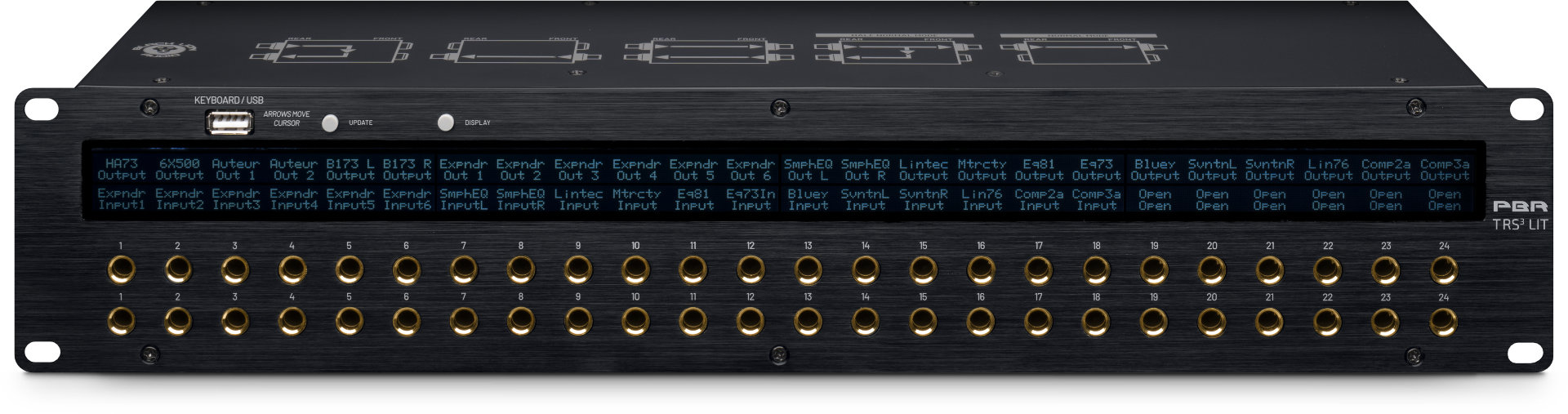
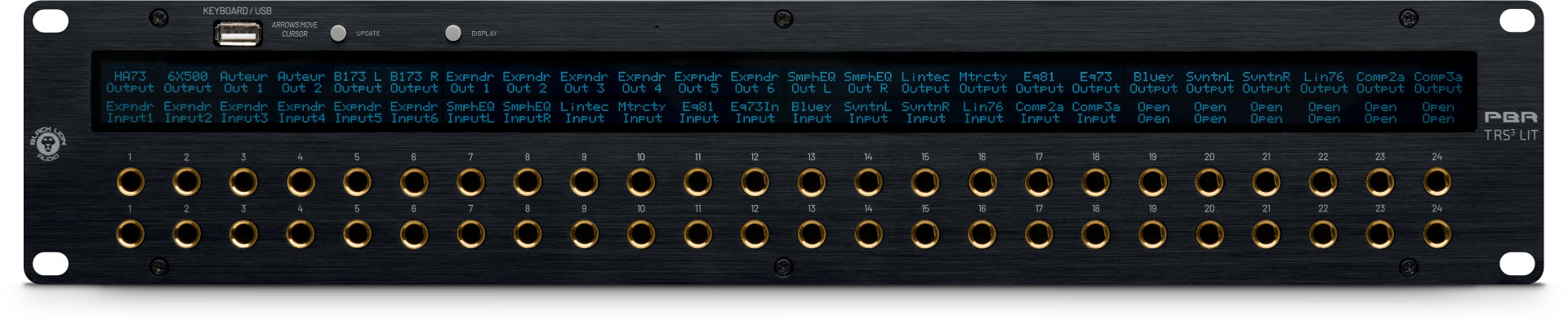
With the PBR TRS3-LIT patchbay, you’ll never misroute your valuable equipment again. Built to Black Lion Audio’s renowned standards for build quality and signal integrity, the PBR TRS3-LIT features a customizable, brightly lit LED display for each connection point on the front panel. Simply connect a USB keyboard directly to your LIT to customize the display, or use the included PatchCAD software to create custom text and export it directly to your patchbay via the same USB port.
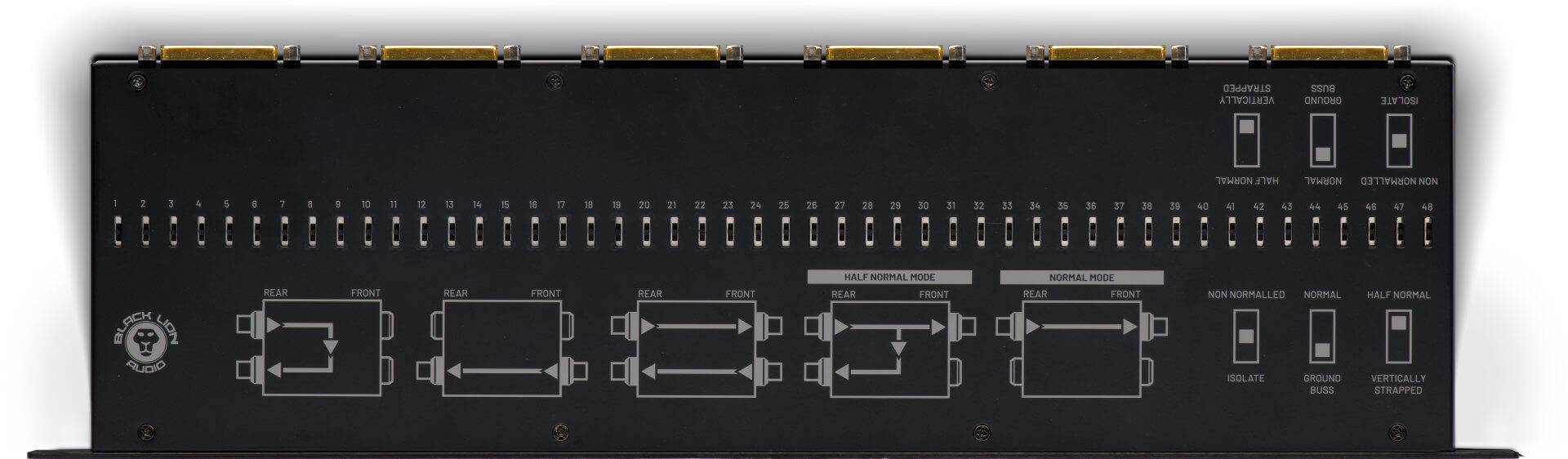
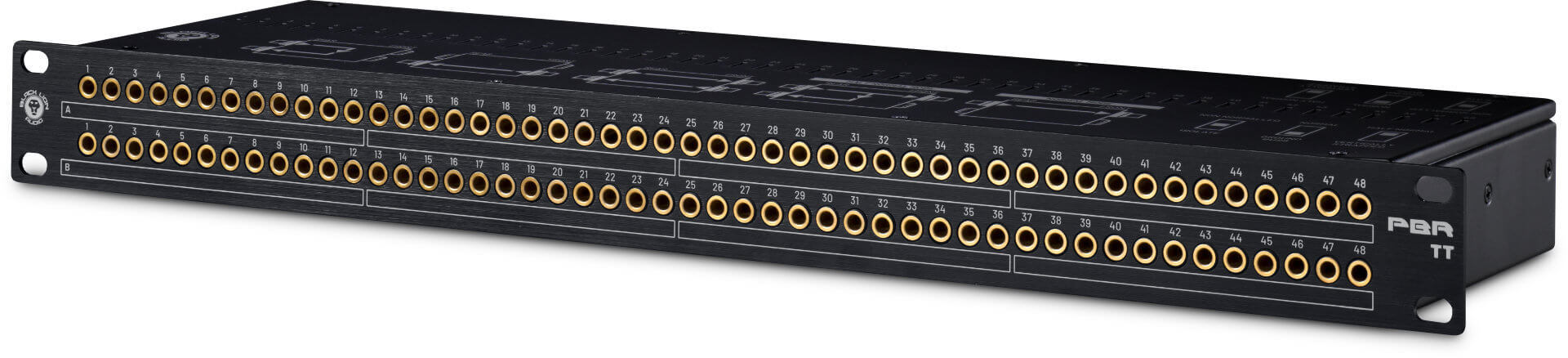
Black Lion Audio stellt mit der PBR TT eine 4,4-mm-Klinkenstecker-Patchbay für professionelle Ansprüche vor. Die 96 Patch-Punkte im TT-Phone- beziehungsweise Bantam-Format lassen sich pro Paar in ihrer Normalisierung konfigurieren, um verschiedensten Anwendungen individuell gerecht zu werden. Auf der Rückseite wird die Studio-Peripherie über DB-25-Stecker angebunden. Die solide Konstruktion und die vergoldeten Kontakte machen die PBR TT zu einem besonders langlebigen Studio-Werkzeug und zur idealen Möglichkeit, den Signalfluss im eigenen Studio flexibel zu verwalten. Funktionen: 96 Punkt TT-Phone Patchbay in einer Höheneinheit 4,4-mm-Klinkenstecker Für jedes Buchsenpaar lässt sich mit einem Schalter auf der Oberseite die Normalisierung umstellen Zur Verfügung stehen: isoliert, vollnormalisiert und halbnormalisiert Komfortable Signaldistribution Anschluss über 12 DB-25-Anschlüsse Keine Lötkenntnisse erforderlich D-Sub Buchsen sind an einer Stahlplatte montiert Sehr solide Bauweise - Verstärktes Stahlgehäuse & massive Frontplatte Alle Kontakte sind goldbeschichtet – Zum Erhalt der Signalintegrität über eine lange Zeit hinweg Gewicht: 3 kg Maße (L x B x H): 13,34 cm x 48,26 cm x 4,45 cm
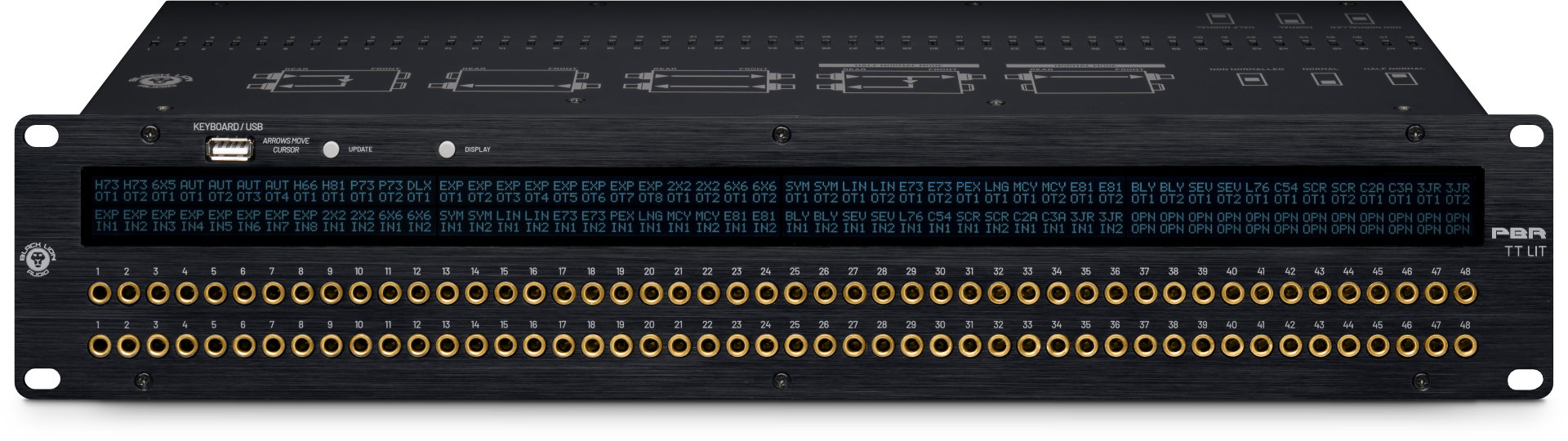
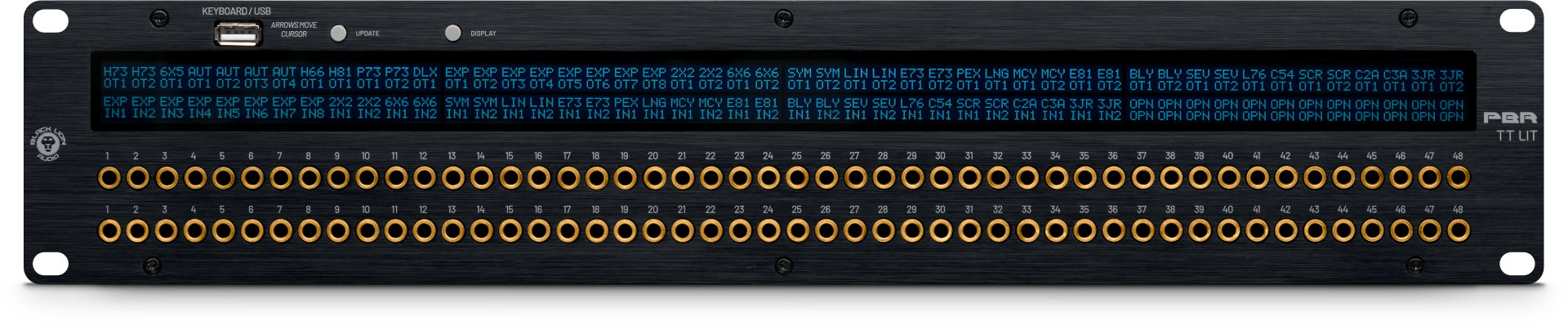
The PBR TT-LIT is a 96-point TT patchbay with a customizable LED display. Designed for the most demanding studios, it features 96 TT connections on the front panel and 12 DB25 connections on the rear panel – all audiophile-grade and gold-plated for maximum conductivity and signal clarity. The high-quality, secure connections allow you to easily integrate your outboard hardware.
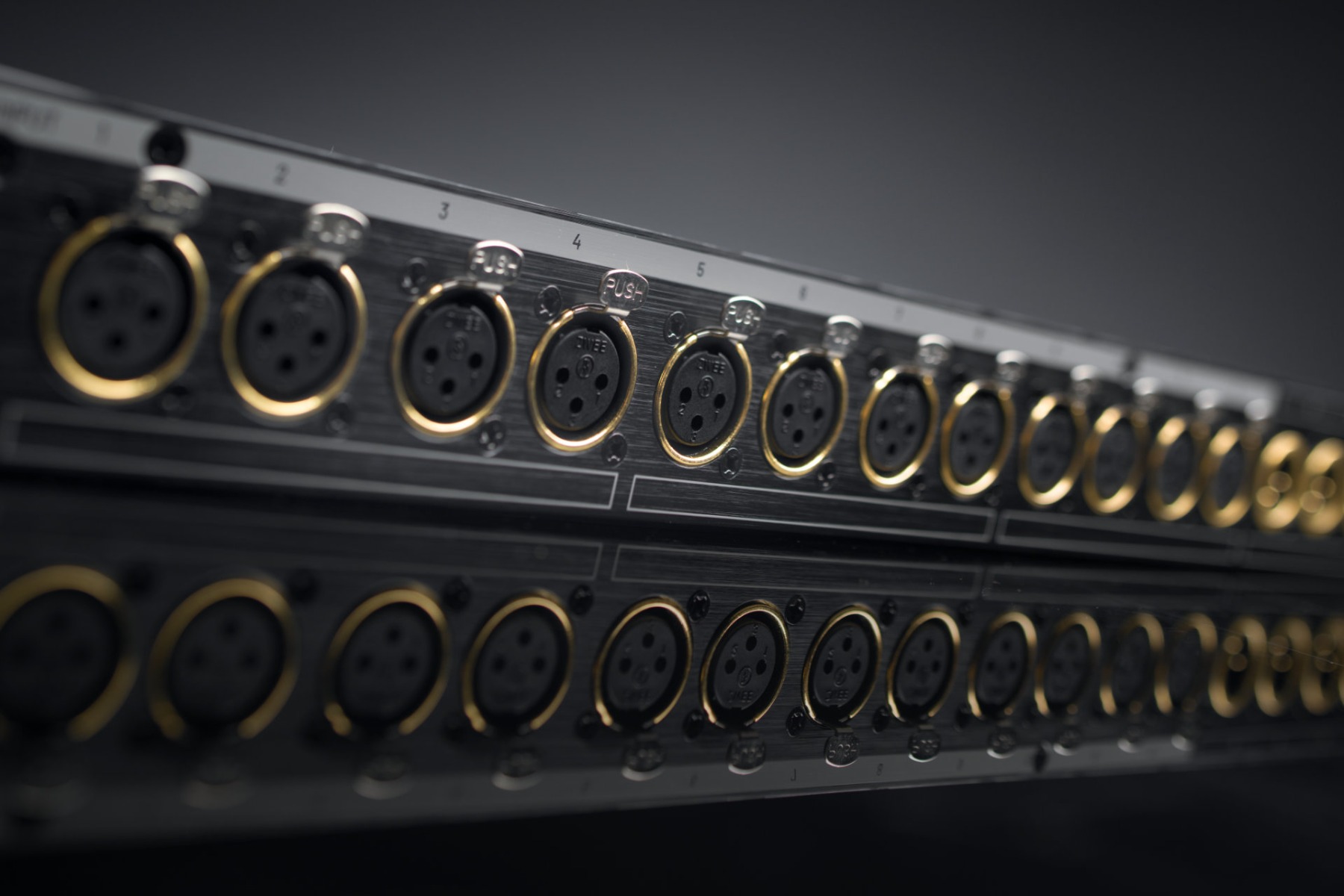
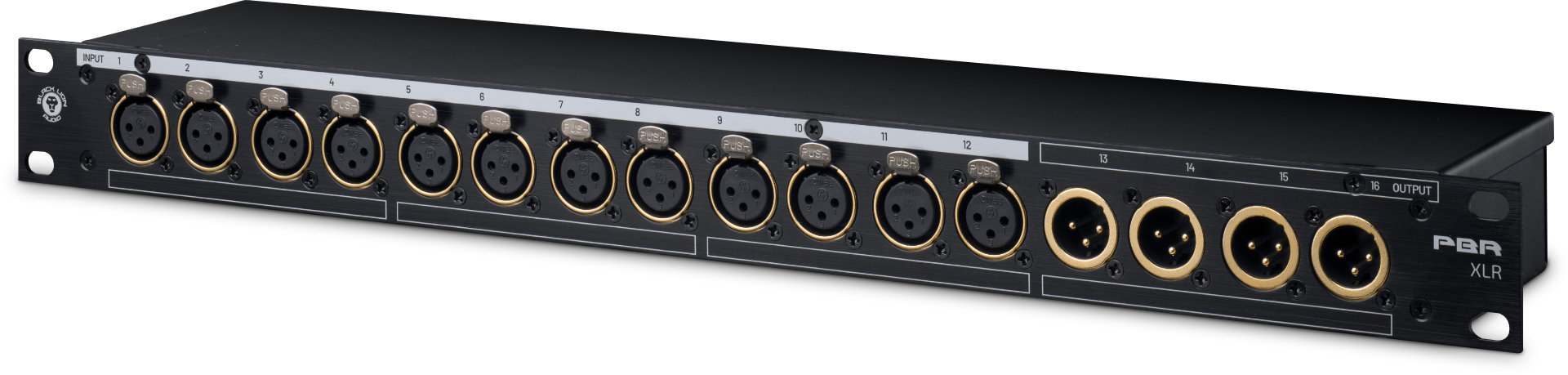
Black Lion Audio präsentiert mit der PBR Serie drei neue Patchbays im Rackformat. Unter anderem die PBR XLR mit zwölf männlichen und vier weiblichen XLR-Anschlüssen. Zum Erhalt der höchsten Klangqualität in der Signalkette wurden Bauteile und Verarbeitung klassischer Patchbays weitestmöglich optimiert. Mit ihrem praktischen und eleganten Design aus schwarz eloxierter Aluminium-Frontplatte und vergoldeten Anschlussbuchsen fügen sich die Patchbays der PBR Serie hervorragend in jedes anspruchsvolle Studio ein. Funktionen: Patchbay mit 12 männlichen und 4 weiblichen XLR-Anschlüssen alle Vorzüge klassischer Patchbays bei hochwertiger Verarbeitung und Klangqualität Optimierung von Bauteilen und Verarbeitung herkömmlicher Patchbays Umschaltung der Normalisierungsmodi auf der Rückseite per Knopfdruck Alle Anschlüsse vergoldet Frontpanel aus schwarz-eloxierten Aluminium Vielseitiges Routing mit herausragender Klangqualität Gewicht: 1,4 kg Maße (L x B x H): 53 cm x 10 cm x 5 cm
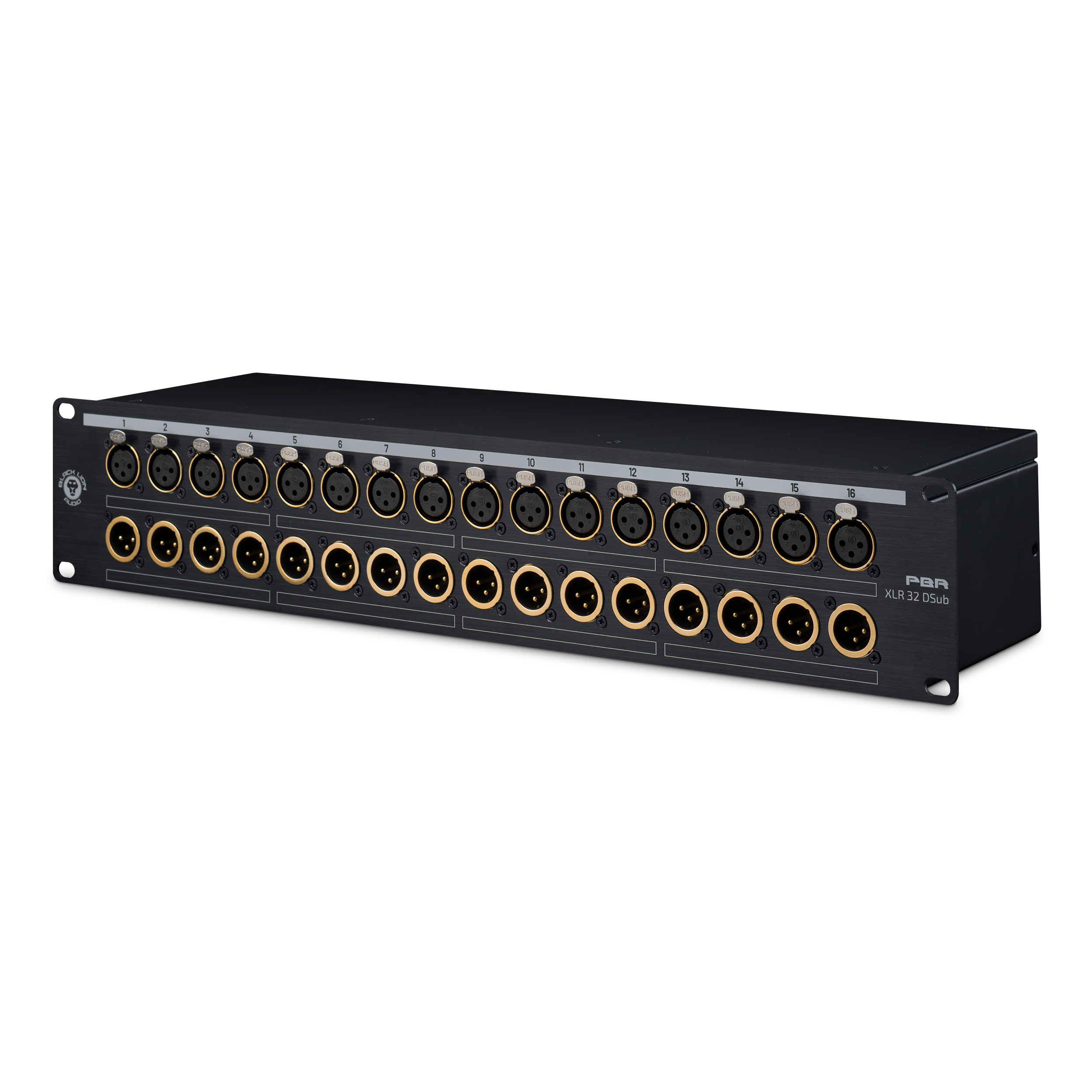
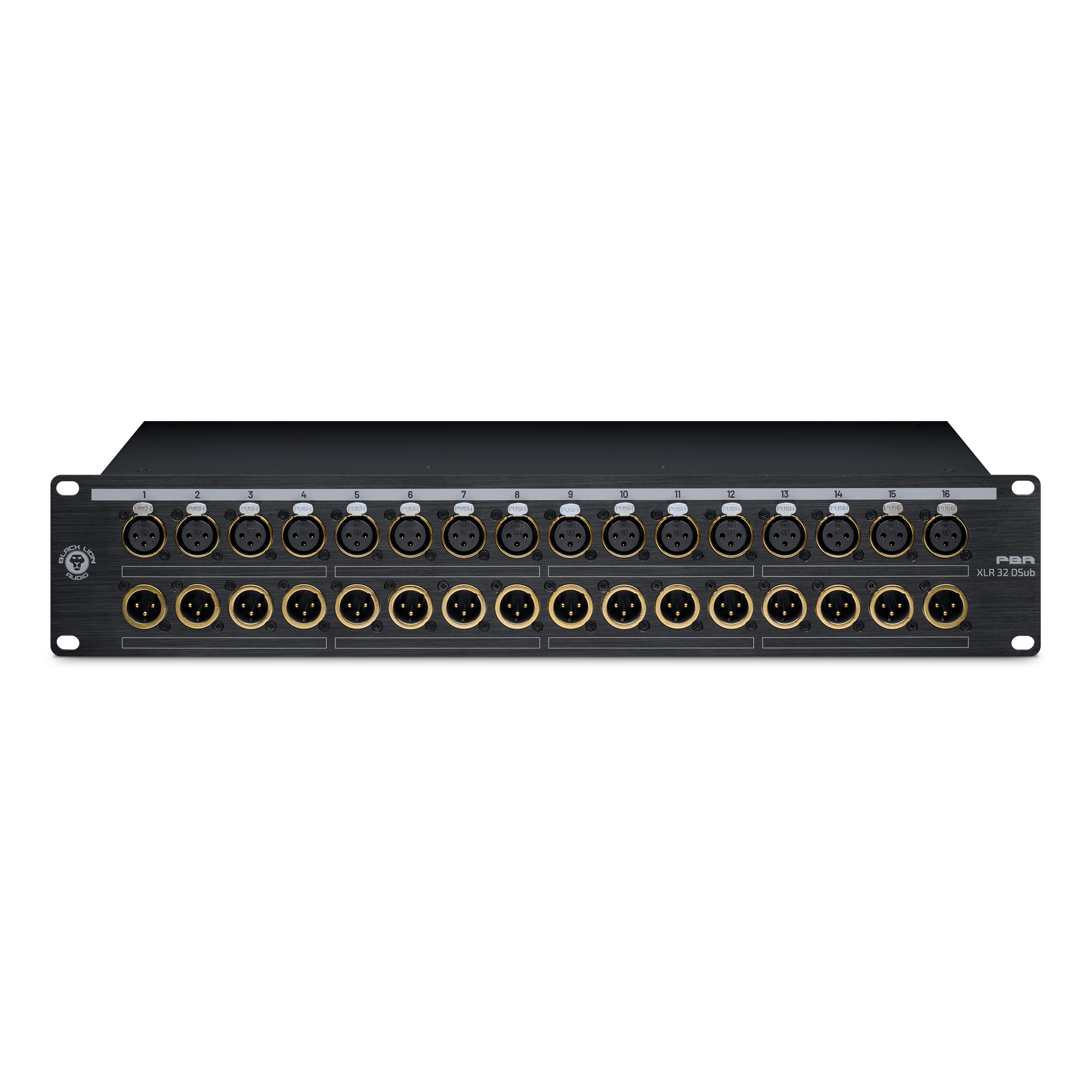
Your studio needs more than just accessible patching — exceptional audio quality through the entire signal path is crucial! Black Lion has been improving already-great gear through our modification service for years, and we channeled all that know-how straight into the PBR XLR 32 DSub. The PBR XLR 32 DSub is a 32-point XLR/DB25 patchbay, suitable for the most robust routing imaginable in two rack spaces. You’ll easily interconnect your preamps and other outboard hardware via its audiophile-grade, secure connections. You’ll be able to reconfigure your entire studio’s routing at a moment’s notice — all while cutting down on cable clutter!
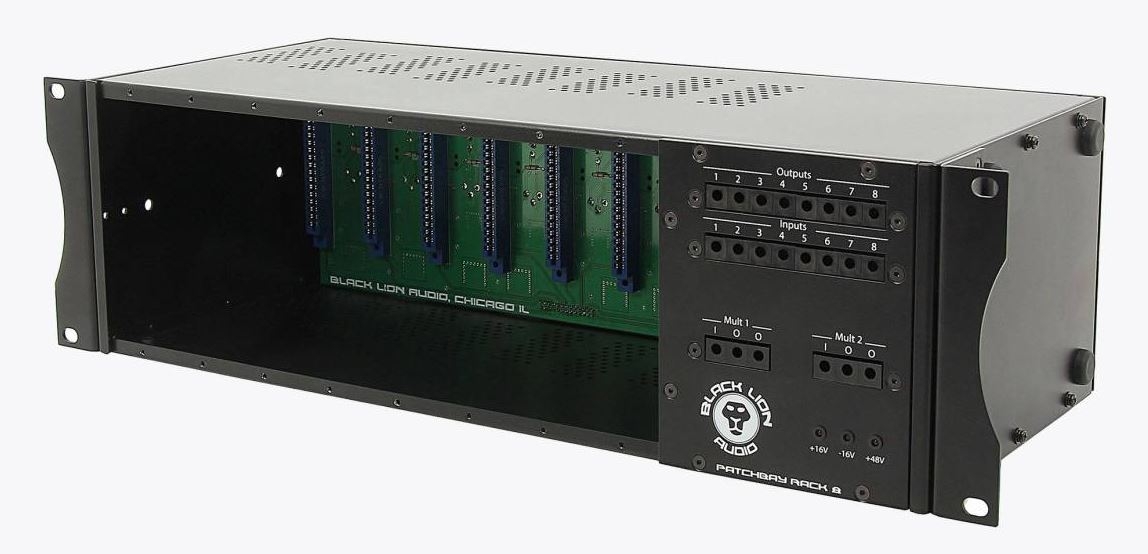
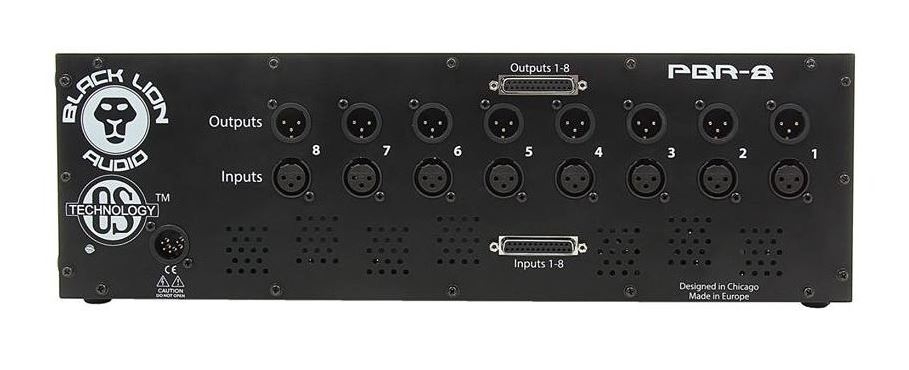
Our industry has seen an explosion of 500 series products in recent years and with it, an equal number of 500 series power supplies. This format excels in its potential for quickly dialing in sounds, however, has been greatly limited by the lack of flexible routing options without the use of expensive external patchbays and wiring harnesses. The portability and compactness of the 500 Series format has always been undercut by the need for bulky, full 19” rack mountable patchbays. The ability to use a 500 Series setup in a live performance has been hampered by the need to carry around heavy snakes and have access to the back panel on stage, with no easy solution for linking modules in separate racks. We at Black Lion Audio have never settled for industry convention or what is considered “good enough.” Instead, as always, we have approached this problem with the goal of delivering functionality and performance never before available. Enter the Patchbay Rack 8! Equipped with a fully balanced TT/Bantam patchbay, the PBR-8 has unlimited routing options for quickly dialing in sounds that don’t require modules to be loaded in any particular order. Easily try out a signal chain, re-route it, split it using one of the built-in “Mults”, send it to modules in another rack, route it back, then send it out, all from the front panel! Providing a stable and reliable power supply has been long been one of the issues dogging the 500 Series format. To solve this issue, the PBR-8 features OST (On Slot Technology) developed in Europe by Heritage Audio. This technology allows us to take advantage of individual regulation per channel, insuring that noise, power issues, or crosstalk from one module does not affect other modules. The hefty power supply provides 400mA per rail per slot maximum, with an overall of 1.6A (1.8A non continuous) per rail, whichever is reached first. Coupled with the patchbay, OST not only makes the PBR-8 one of the quietest and most reliable 500 Series power supplies, but also the most functional and flexible ever built. Note: Please use the M3 screws included with the PBR-8 for installing 500 Series modules. Using 4-40 screws will result in stripping the chassis. Weight 8 lbs Dimensions 23 x 11 x 13 in
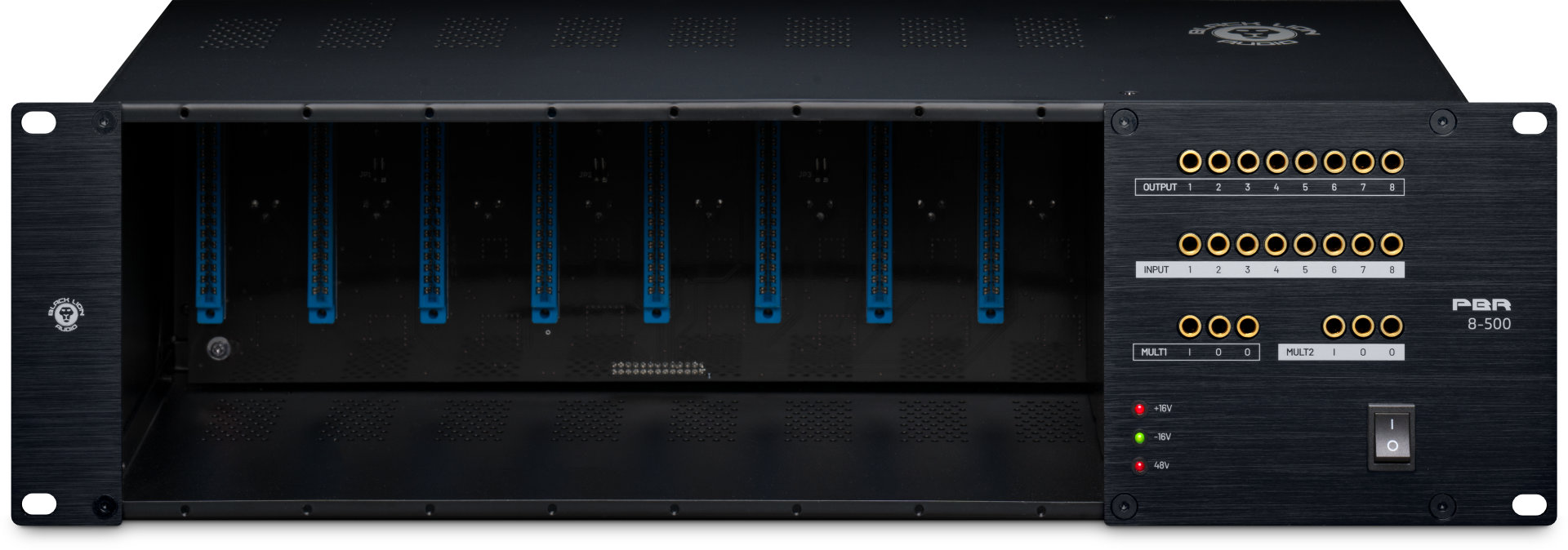
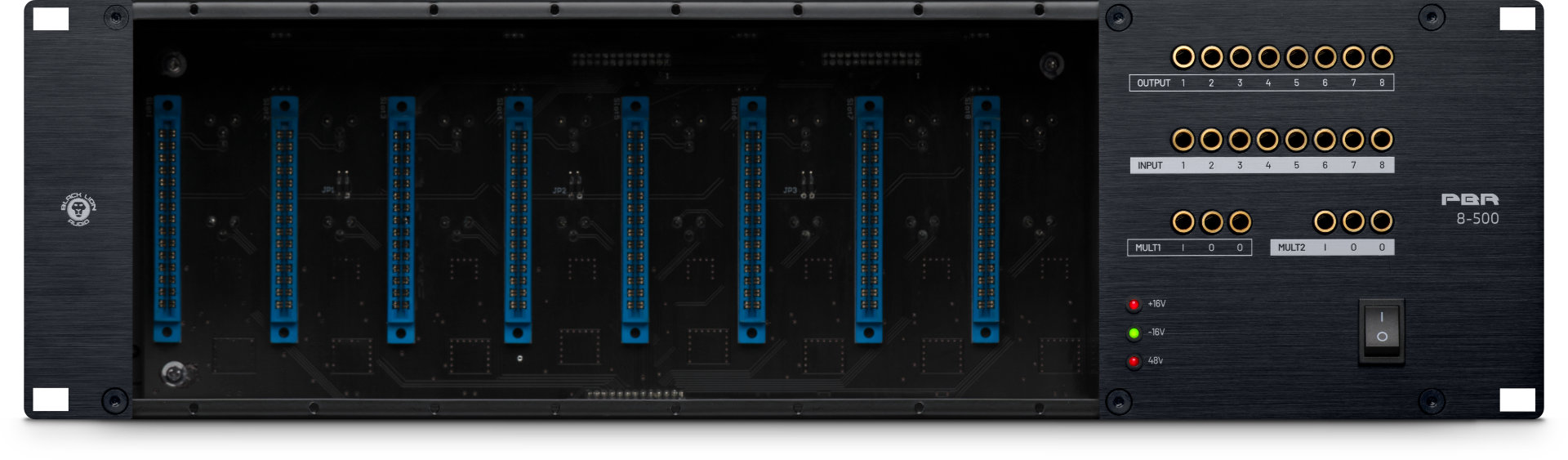
PBR-8 from Black Lion Audio - a high-quality 500 series rack with a symmetrical TT/Bantam patchbay. Up to eight 500 series modules can be accommodated in the robust 3U housing and are supplied with a stable power supply for fail-safe operation. In addition to a wide range of creative routing options, the PBR8 offers a multiple out that distributes the signal to two additional patchbay outputs. Stereo operation of two modules can easily be done at the touch of a button on the back of the device. The usual Black Lion Audio signal quality is achieved through per-channel power control and the gold-contacted XLR, TT and DB25 inputs and outputs.
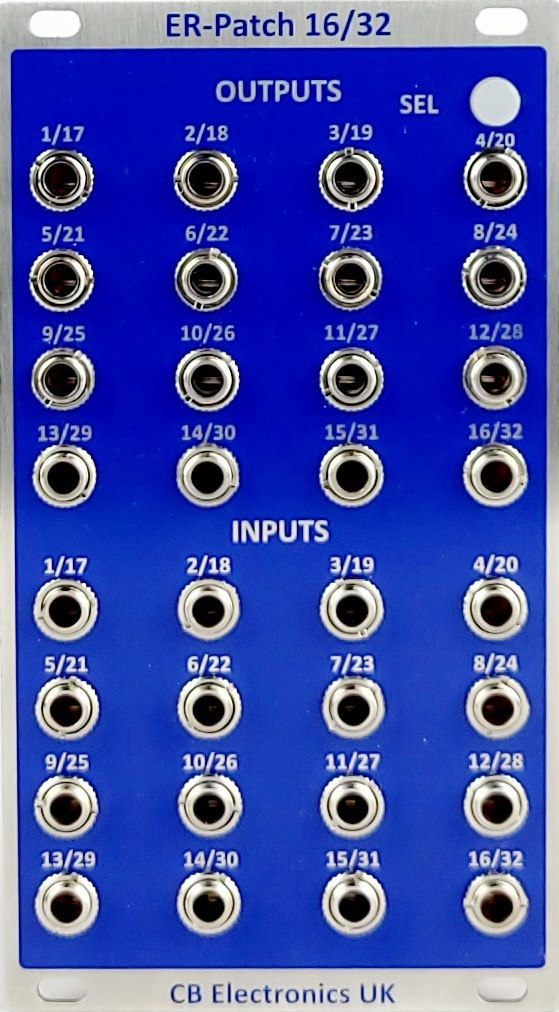
ER-PatchThe Patch module provides a 16x16 crosspoint matrix. DC Coupled so that Audio, Control Voltage, or even Trigger or Gate signals may be routed. Two ER-Patch Modules with Expansion boards can be combined to make a single 32x32 crosspoint Matrix. ER-Patch 16/32· 16x16 CrossPoint matrix with buffered outputs· DC Coupled – Route Audio, DC Control, Gate, Trigger· Combine Two ER-Patch modules with Expanders to make a 32x32 Matrix· One to Many, can also be used for Active Multing· Select Switch for immediate access
ER-PatchThe Patch module provides a 16x16 crosspoint matrix. DC Coupled so that Audio, Control Voltage, or even Trigger or Gate signals may be routed. Two ER-Patch Modules with Expansion boards can be combined to make a single 32x32 crosspoint Matrix. ER-Patch 16/32· 16x16 CrossPoint matrix with buffered outputs· DC Coupled – Route Audio, DC Control, Gate, Trigger· Combine Two ER-Patch modules with Expanders to make a 32x32 Matrix· One to Many, can also be used for Active Multing· Select Switch for immediate access
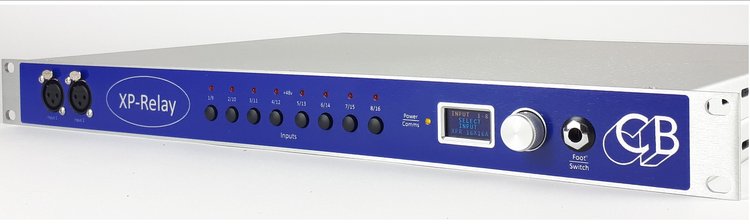
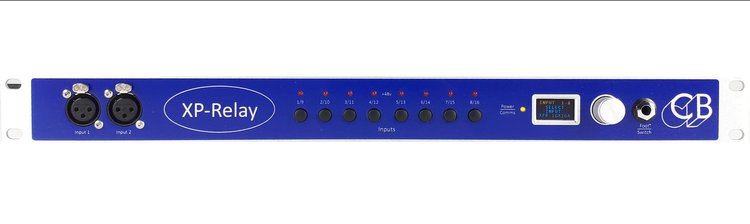
XPatch is designed to replace a physical patch bay, however the electronic versions cannot pass Phantom. It is possible to implement a smaller digitally controlled patch bay using relays. The new XP-Relay range is designed to satisfy this market and will be available in 4 sizes. All units are housed in a 1U rack mounting box and include a 48v linear power supply with remote controllable phantom switching on every input. A configuration setting will enable/disable the phantom completely on any input(s). When Phantom is Off there is a direct connection between input and output. When Phantom is enabled there is a blocking capacitor between input and output to isolate the 48v. Up to 4 XPatch or XP-Relay units can be controlled by the XPatch4 software which allows units to be combined in different ways including using two units as stereo pairs, for example two XP-Relay 16x16’s can be controlled as a single stereo 16x16 relay based patch panel. The XP-Relay is designed for use switching between Microphones and Mic Amps, or passive switching in a Mastering Chain XPatch or XP-Relay? We make both Solid State and Relay based patch bays, and often get asked this question. There is no correct answer as it depends on your application. Both offer advantages over traditional patch bays, sealed/solid state contacts, digital recall and simple routing changes. Both use the XPatch4 App digital recall of analog routing and can be used together to use the advantages of both. XP-Relay No Electronics in the signal path Unlimited head room Microphone routing Phantom pass through Audio switching by Sealed Telecom Relays Un-used outputs are muted Available as 16 x 16, 32 x 32 or 64 x 64 XPatch Unique 0.25dB resolution, -96dB to +22dB Gain Control at every stage of the signal path. Gain control allows unused outputs to be muted Use Gain control to Mix Balanced with unbalanced, Line Level with Instrument level Buffering between connected devices Multiple multing without loading the source. Solid state audio switching Available as 32 x 32, 64 x 64 or 96 x 96 XPatch APP Features Exclusive the XPatch See the XPatch APP webpage Conclusion As we’ve explored, the choice between the XPatch and the XP-RELAY ultimately depends on your studio's specific demands—but the most important takeaway is the powerful paradigm shift they both represent. Both systems offer the massive advantage of digital recall of your purely analog routing, moving past the limitations of traditional patch bays with their sealed, long-life contacts and effortless configuration via the XPatch4 App. If your priority is absolute signal transparency and the need for microphone routing (including phantom power), the XP-RELAY is your answer, thanks to its zero-electronics signal path. If your workflow demands precision gain control at every connection, seamless mixing of different signal levels (like line and instrument), and advanced buffering/multing capabilities, the XPatch is the unmatched solid-state solution.
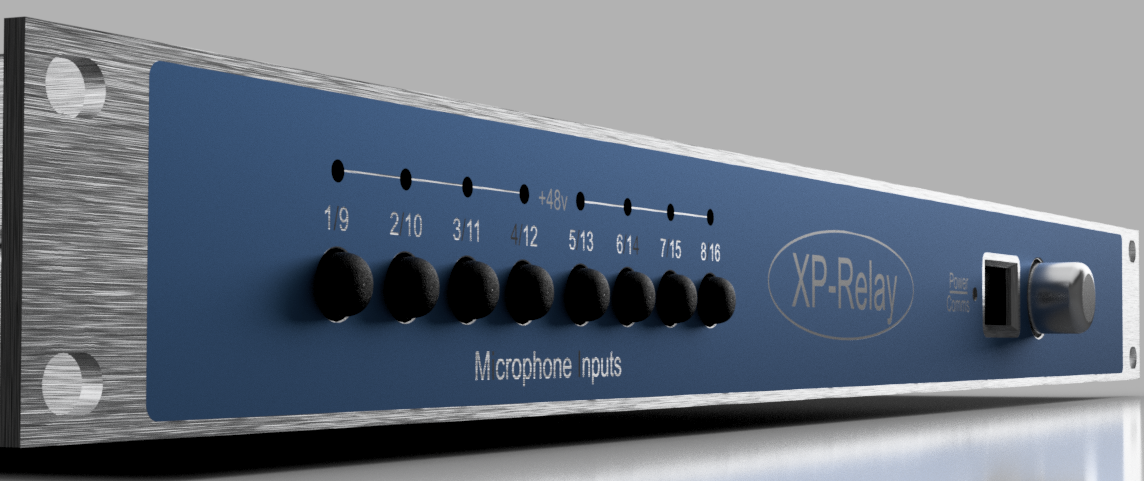
XPatch is designed to replace a physical patch bay, however the electronic versions cannot pass Phantom. It is possible to implement a smaller digitally controlled patch bay using relays. The new XP-Relay range is designed to satisfy this market and will be available in 4 sizes. All units are housed in a 1U rack mounting box and include a 48v linear power supply with remote controllable phantom switching on every input. A configuration setting will enable/disable the phantom completely on any input(s). When Phantom is Off there is a direct connection between input and output. When Phantom is enabled there is a blocking capacitor between input and output to isolate the 48v. Up to 4 XPatch or XP-Relay units can be controlled by the XPatch4 software which allows units to be combined in different ways including using two units as stereo pairs, for example two XP-Relay 16x16’s can be controlled as a single stereo 16x16 relay based patch panel. The XP-Relay is designed for use switching between Microphones and Mic Amps, or passive switching in a Mastering Chain XPatch or XP-Relay? We make both Solid State and Relay based patch bays, and often get asked this question. There is no correct answer as it depends on your application. Both offer advantages over traditional patch bays, sealed/solid state contacts, digital recall and simple routing changes. Both use the XPatch4 App digital recall of analog routing and can be used together to use the advantages of both. XP-Relay No Electronics in the signal path Unlimited head room Microphone routing Phantom pass through Audio switching by Sealed Telecom Relays Un-used outputs are muted Available as 16 x 16, 32 x 32 or 64 x 64 XPatch Unique 0.25dB resolution, -96dB to +22dB Gain Control at every stage of the signal path. Gain control allows unused outputs to be muted Use Gain control to Mix Balanced with unbalanced, Line Level with Instrument level Buffering between connected devices Multiple multing without loading the source. Solid state audio switching Available as 32 x 32, 64 x 64 or 96 x 96 XPatch APP Features Exclusive the XPatch See the XPatch APP webpage Conclusion As we’ve explored, the choice between the XPatch and the XP-RELAY ultimately depends on your studio's specific demands—but the most important takeaway is the powerful paradigm shift they both represent. Both systems offer the massive advantage of digital recall of your purely analog routing, moving past the limitations of traditional patch bays with their sealed, long-life contacts and effortless configuration via the XPatch4 App. If your priority is absolute signal transparency and the need for microphone routing (including phantom power), the XP-RELAY is your answer, thanks to its zero-electronics signal path. If your workflow demands precision gain control at every connection, seamless mixing of different signal levels (like line and instrument), and advanced buffering/multing capabilities, the XPatch is the unmatched solid-state solution.
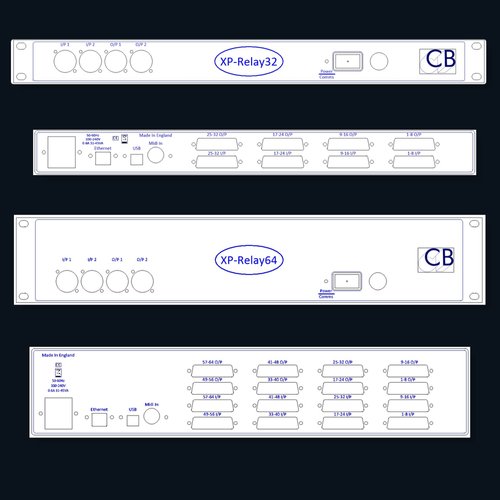
XP-Relay32x to XP-Relay 64 Upgrade
XPatch is designed to replace a physical patch bay, however the electronic versions cannot pass Phantom. It is possible to implement a smaller digitally controlled patch bay using relays. The new XP-Relay range is designed to satisfy this market and will be available in 4 sizes. All units are housed in a 1U rack mounting box and include a 48v linear power supply with remote controllable phantom switching on every input. A configuration setting will enable/disable the phantom completely on any input(s). When Phantom is Off there is a direct connection between input and output. When Phantom is enabled there is a blocking capacitor between input and output to isolate the 48v. Up to 4 XPatch or XP-Relay units can be controlled by the XPatch4 software which allows units to be combined in different ways including using two units as stereo pairs, for example two XP-Relay 16x16’s can be controlled as a single stereo 16x16 relay based patch panel. The XP-Relay is designed for use switching between Microphones and Mic Amps, or passive switching in a Mastering Chain XPatch or XP-Relay? We make both Solid State and Relay based patch bays, and often get asked this question. There is no correct answer as it depends on your application. Both offer advantages over traditional patch bays, sealed/solid state contacts, digital recall and simple routing changes. Both use the XPatch4 App digital recall of analog routing and can be used together to use the advantages of both. XP-Relay No Electronics in the signal path Unlimited head room Microphone routing Phantom pass through Audio switching by Sealed Telecom Relays Un-used outputs are muted Available as 16 x 16, 32 x 32 or 64 x 64 XPatch Unique 0.25dB resolution, -96dB to +22dB Gain Control at every stage of the signal path. Gain control allows unused outputs to be muted Use Gain control to Mix Balanced with unbalanced, Line Level with Instrument level Buffering between connected devices Multiple multing without loading the source. Solid state audio switching Available as 32 x 32, 64 x 64 or 96 x 96 XPatch APP Features Exclusive the XPatch See the XPatch APP webpage Conclusion As we’ve explored, the choice between the XPatch and the XP-RELAY ultimately depends on your studio's specific demands—but the most important takeaway is the powerful paradigm shift they both represent. Both systems offer the massive advantage of digital recall of your purely analog routing, moving past the limitations of traditional patch bays with their sealed, long-life contacts and effortless configuration via the XPatch4 App. If your priority is absolute signal transparency and the need for microphone routing (including phantom power), the XP-RELAY is your answer, thanks to its zero-electronics signal path. If your workflow demands precision gain control at every connection, seamless mixing of different signal levels (like line and instrument), and advanced buffering/multing capabilities, the XPatch is the unmatched solid-state solution.
XPatch is designed to replace a physical patch bay, however the electronic versions cannot pass Phantom. It is possible to implement a smaller digitally controlled patch bay using relays. The new XP-Relay range is designed to satisfy this market and will be available in 4 sizes. All units are housed in a 1U rack mounting box and include a 48v linear power supply with remote controllable phantom switching on every input. A configuration setting will enable/disable the phantom completely on any input(s). When Phantom is Off there is a direct connection between input and output. When Phantom is enabled there is a blocking capacitor between input and output to isolate the 48v. Up to 4 XPatch or XP-Relay units can be controlled by the XPatch4 software which allows units to be combined in different ways including using two units as stereo pairs, for example two XP-Relay 16x16’s can be controlled as a single stereo 16x16 relay based patch panel. The XP-Relay is designed for use switching between Microphones and Mic Amps, or passive switching in a Mastering Chain XPatch or XP-Relay? We make both Solid State and Relay based patch bays, and often get asked this question. There is no correct answer as it depends on your application. Both offer advantages over traditional patch bays, sealed/solid state contacts, digital recall and simple routing changes. Both use the XPatch4 App digital recall of analog routing and can be used together to use the advantages of both. XP-Relay No Electronics in the signal path Unlimited head room Microphone routing Phantom pass through Audio switching by Sealed Telecom Relays Un-used outputs are muted Available as 16 x 16, 32 x 32 or 64 x 64 XPatch Unique 0.25dB resolution, -96dB to +22dB Gain Control at every stage of the signal path. Gain control allows unused outputs to be muted Use Gain control to Mix Balanced with unbalanced, Line Level with Instrument level Buffering between connected devices Multiple multing without loading the source. Solid state audio switching Available as 32 x 32, 64 x 64 or 96 x 96 XPatch APP Features Exclusive the XPatch See the XPatch APP webpage Conclusion As we’ve explored, the choice between the XPatch and the XP-RELAY ultimately depends on your studio's specific demands—but the most important takeaway is the powerful paradigm shift they both represent. Both systems offer the massive advantage of digital recall of your purely analog routing, moving past the limitations of traditional patch bays with their sealed, long-life contacts and effortless configuration via the XPatch4 App. If your priority is absolute signal transparency and the need for microphone routing (including phantom power), the XP-RELAY is your answer, thanks to its zero-electronics signal path. If your workflow demands precision gain control at every connection, seamless mixing of different signal levels (like line and instrument), and advanced buffering/multing capabilities, the XPatch is the unmatched solid-state solution.

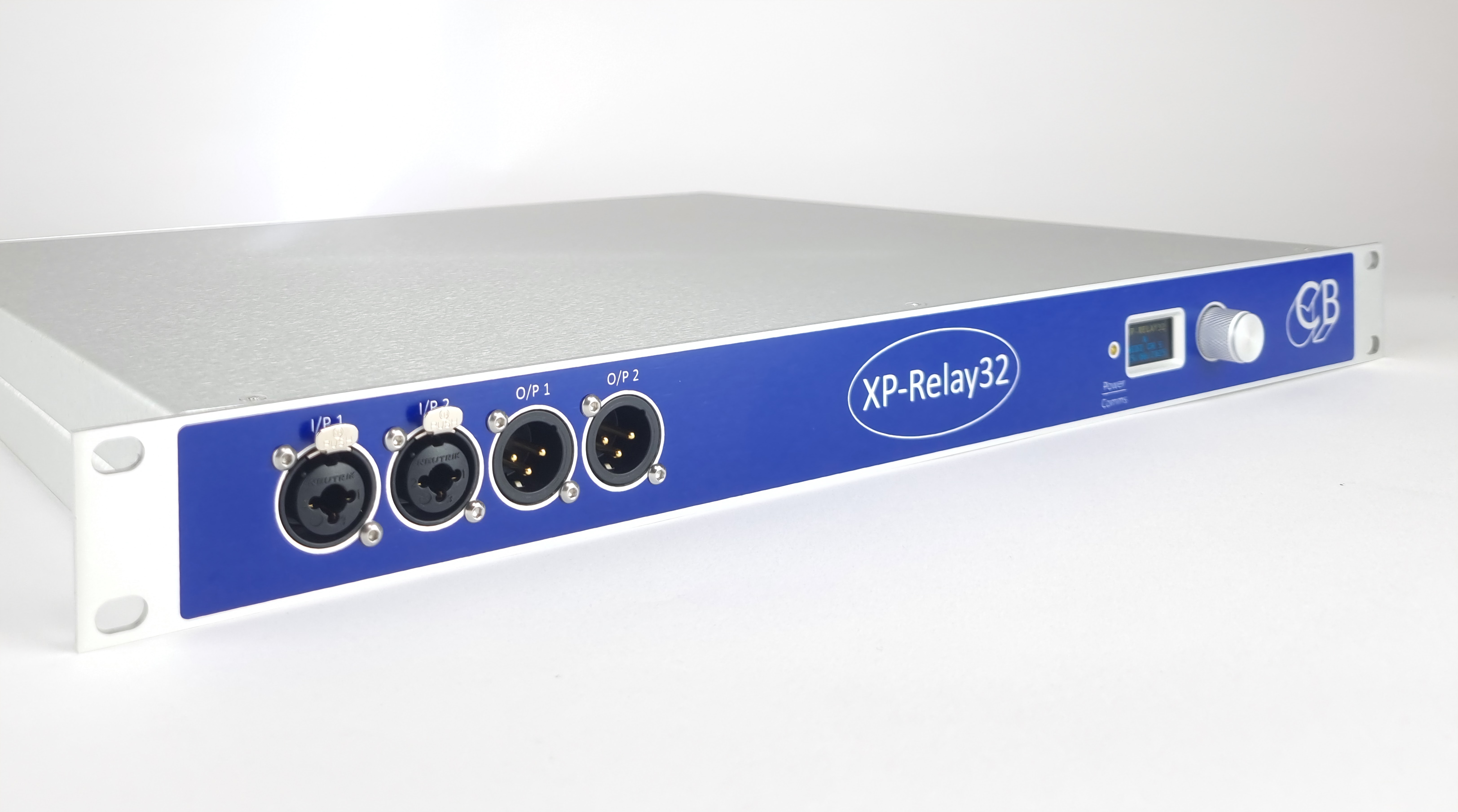
XP-Relay32 (64 Point) 32 X 32 (DB25) IN 1U RACKThe XP-Relay32/32X/64 is a state-of-the-art, software-controlled relay patchbay for professional audio studios. It offers pristine, relay-based signal routing with no degradation, managed via the intuitive XPatch4 App (Windows/macOS). Features include one-click switching between setups (e.g., tracking/mixing), A/B comparisons, complex routings, and recallable presets for streamlined workflows. With silent, fanless operation and scalable I/O (up to 64 channels via DB25, plus front XLR/TRS), it integrates seamlessly into large studio environments. XP-Relay redefines patchbays by merging analog relay precision with powerful software control. XPatch or XP-Relay? We make both Solid State and Relay based patch bays, and often get asked this question. There is no correct answer as it depends on your application. Both offer advantages over traditional patch bays, sealed/solid state contacts, digital recall and simple routing changes. Both use the XPatch4 App digital recall of analog routing and can be used together to use the advantages of both. XP-Relay No Electronics in the signal path Unlimited head room Microphone routing Phantom pass through Audio switching by Sealed Telecom Relays Un-used outputs are muted Available as 16 x 16, 32 x 32 or 64 x 64 XPatch Unique 0.25dB resolution, -96dB to +22dB Gain Control at every stage of the signal path. Gain control allows unused outputs to be muted Use Gain control to Mix Balanced with unbalanced, Line Level with Instrument level Buffering between connected devices Multiple multing without loading the source. Solid state audio switching Available as 32 x 32, 64 x 64 or 96 x 96 XPatch APP Features Exclusive the XPatch See the XPatch APP webpage Conclusion As we’ve explored, the choice between the XPatch and the XP-RELAY ultimately depends on your studio's specific demands—but the most important takeaway is the powerful paradigm shift they both represent. Both systems offer the massive advantage of digital recall of your purely analog routing, moving past the limitations of traditional patch bays with their sealed, long-life contacts and effortless configuration via the XPatch4 App. If your priority is absolute signal transparency and the need for microphone routing (including phantom power), the XP-RELAY is your answer, thanks to its zero-electronics signal path. If your workflow demands precision gain control at every connection, seamless mixing of different signal levels (like line and instrument), and advanced buffering/multing capabilities, the XPatch is the unmatched solid-state solution.
XP-Relay32 (64 Point) 32 X 32 (DB25) IN 1U RACKThe XP-Relay32/32X/64 is a state-of-the-art, software-controlled relay patchbay for professional audio studios. It offers pristine, relay-based signal routing with no degradation, managed via the intuitive XPatch4 App (Windows/macOS). Features include one-click switching between setups (e.g., tracking/mixing), A/B comparisons, complex routings, and recallable presets for streamlined workflows. With silent, fanless operation and scalable I/O (up to 64 channels via DB25, plus front XLR/TRS), it integrates seamlessly into large studio environments. XP-Relay redefines patchbays by merging analog relay precision with powerful software control. XPatch or XP-Relay? We make both Solid State and Relay based patch bays, and often get asked this question. There is no correct answer as it depends on your application. Both offer advantages over traditional patch bays, sealed/solid state contacts, digital recall and simple routing changes. Both use the XPatch4 App digital recall of analog routing and can be used together to use the advantages of both. XP-Relay No Electronics in the signal path Unlimited head room Microphone routing Phantom pass through Audio switching by Sealed Telecom Relays Un-used outputs are muted Available as 16 x 16, 32 x 32 or 64 x 64 XPatch Unique 0.25dB resolution, -96dB to +22dB Gain Control at every stage of the signal path. Gain control allows unused outputs to be muted Use Gain control to Mix Balanced with unbalanced, Line Level with Instrument level Buffering between connected devices Multiple multing without loading the source. Solid state audio switching Available as 32 x 32, 64 x 64 or 96 x 96 XPatch APP Features Exclusive the XPatch See the XPatch APP webpage Conclusion As we’ve explored, the choice between the XPatch and the XP-RELAY ultimately depends on your studio's specific demands—but the most important takeaway is the powerful paradigm shift they both represent. Both systems offer the massive advantage of digital recall of your purely analog routing, moving past the limitations of traditional patch bays with their sealed, long-life contacts and effortless configuration via the XPatch4 App. If your priority is absolute signal transparency and the need for microphone routing (including phantom power), the XP-RELAY is your answer, thanks to its zero-electronics signal path. If your workflow demands precision gain control at every connection, seamless mixing of different signal levels (like line and instrument), and advanced buffering/multing capabilities, the XPatch is the unmatched solid-state solution.
XP-Relay32 (64 Point) 32 X 32 (DB25) IN 1U RACKThe XP-Relay32/32X/64 is a state-of-the-art, software-controlled relay patchbay for professional audio studios. It offers pristine, relay-based signal routing with no degradation, managed via the intuitive XPatch4 App (Windows/macOS). Features include one-click switching between setups (e.g., tracking/mixing), A/B comparisons, complex routings, and recallable presets for streamlined workflows. With silent, fanless operation and scalable I/O (up to 64 channels via DB25, plus front XLR/TRS), it integrates seamlessly into large studio environments. XP-Relay redefines patchbays by merging analog relay precision with powerful software control. XPatch or XP-Relay? We make both Solid State and Relay based patch bays, and often get asked this question. There is no correct answer as it depends on your application. Both offer advantages over traditional patch bays, sealed/solid state contacts, digital recall and simple routing changes. Both use the XPatch4 App digital recall of analog routing and can be used together to use the advantages of both. XP-Relay No Electronics in the signal path Unlimited head room Microphone routing Phantom pass through Audio switching by Sealed Telecom Relays Un-used outputs are muted Available as 16 x 16, 32 x 32 or 64 x 64 XPatch Unique 0.25dB resolution, -96dB to +22dB Gain Control at every stage of the signal path. Gain control allows unused outputs to be muted Use Gain control to Mix Balanced with unbalanced, Line Level with Instrument level Buffering between connected devices Multiple multing without loading the source. Solid state audio switching Available as 32 x 32, 64 x 64 or 96 x 96 XPatch APP Features Exclusive the XPatch See the XPatch APP webpage Conclusion As we’ve explored, the choice between the XPatch and the XP-RELAY ultimately depends on your studio's specific demands—but the most important takeaway is the powerful paradigm shift they both represent. Both systems offer the massive advantage of digital recall of your purely analog routing, moving past the limitations of traditional patch bays with their sealed, long-life contacts and effortless configuration via the XPatch4 App. If your priority is absolute signal transparency and the need for microphone routing (including phantom power), the XP-RELAY is your answer, thanks to its zero-electronics signal path. If your workflow demands precision gain control at every connection, seamless mixing of different signal levels (like line and instrument), and advanced buffering/multing capabilities, the XPatch is the unmatched solid-state solution.

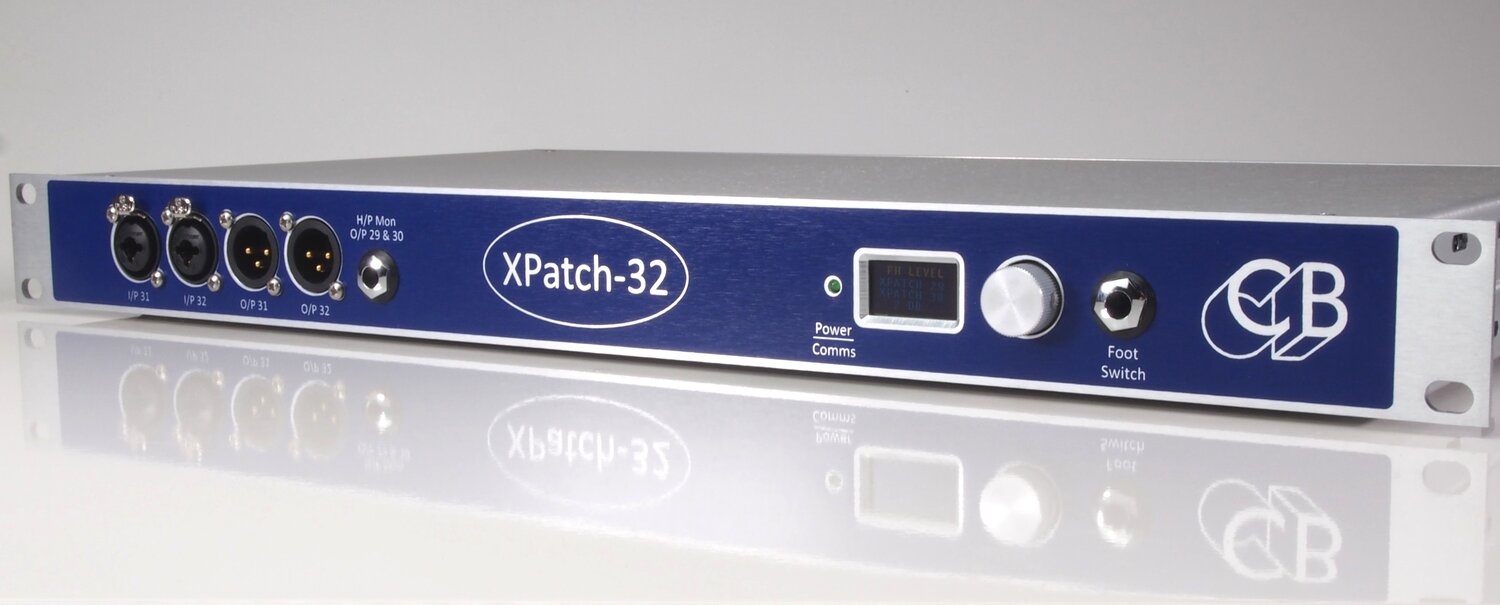
Features: 32x32 Crosspoint Routing 2 input combo XLR line level / ¼ inch jack DI input 2 output front panel XLR connections front panel headphone monitoring create, store & recall routing any input can connect to multiple outputs OSX & Windows compatible software Software & firmware updates via USB 8 channels of metering +4/-10 dBm line level selection on every input and output I/O on DB-25 connectors - Tascam format unused I/O are muted to minimize crosstalk footswitch input for selection of snapshot (presets) Designed by CB Electronics multi-award-winning designer Colin Broad Load and save predefined signal paths Connect a TMC-1 or TMC-2 to use as a monitor controller with electronic patch CB Electronics introduces XPatch-32, designed by multi-award-winning designer Colin Broad. XPatch-32 is a 32x32 digitally controlled, fully analogue audio patch bay routing system for audio professionals and aimed at streamlining workflow in even the most demanding post or music studios. The XPatch-32 system is controlled by our XPatch-32 program via USB, allowing for complex routings in seconds. Create, store and recall routings from sessions. Any input can be sent to multiple outputs. The XPatch-32 design is based on the A-Mon / I-Mon and shares the I/O and CPU cards, allowing for input and output muting and even gain control. The front panel is equipped with 2x XLR combo connectors for input XLR line-level / ¼ inch jack DI input, plus 2 XLR output for quick auditioning of equipment. Also included are ¼ inch jack for headphone monitoring of inputs and outputs, OLED display and encoder with push button for function selection. In addition, there is a ¼ inch jack socket for a switch to step through snapshots (presets). Once configured, XPatch-32 can operate independently of the XPatch-32 program and host computer via the front panel encoder or foot-switch. By switching between snapshots, the foot-switch enables the XPatch-32 to be used as a powerful studio or live performance tool for musicians. In any studio, the XPatch-32 can make it quick and easy to use your favorite new and legacy hardware effect’s units in your mix.The XPatch-32 is a versatile stand-alone analogue routing/switching system for on-stage boutique instrument processing or amplifier selection. Individual Channel Level control & mutes of inputs & outputs The major problem with an electronic patch is cross-talk especially between signals at different levels. The X-Patch 32 inherits input and output gain control from the A-Mon/I-Mon, the input gain control allows levels within the patch to be optimized minimizing cross-talk. Unused inputs and outputs are muted further reducing cross-talk. Metering of inputs and outputs The X-Patch-32 inherits 8 channels of metering from the A-Mon/I-Mon, these are connected in parallel with outputs 25 - 32 and can be viewed in the Mac/Windows GUI. Connect a TMC-1 OR TMC-2 to use as monitor controller with electronic patch When used with a TMC-1 or TMC-2 part of the XPatch-32 may be configured as the monitoring system for any format from stereo up to 7.1.4. The channel count,cue sends and talkback and listen back are user configurable allowing for the XPatch-32 to split between monitoring and electronic patch to suit user requirements. The front panel provides the following functions Stereo Inputs 31 and 32 on XLR combi’s, (¼ inch jack DI input) Stereo Outputs 31 and 32 on XLR’s Headphone Monitoring Outputs 29 & 30 on 1/4” Jack Headphone source and gain selection via front panel encoder Snapshot selection from encoder or footswitch O-Led display of selected input and snapshot MAC/Windows GUI The GUI includes in/out matrix, paths, Equipment List, Metering, Snapshot screens. The GUI communicates with the XPatch-32 via USB. Post AES NY, Updates include Stereo paths, Shortcut Keys, Gain Control, Undo/Redo for Paths and Equipment List, Independent font size for Matrix and paths, Help in French and EnglishXPatch or XP-Relay?We make both Solid State and Relay based patch bays, and often get asked this question. There is no correct answer as it depends on your application. Both offer advantages over traditional patch bays, sealed/solid state contacts, digital recall and simple routing changes. Both use the XPatch4 App digital recall of analog routing and can be used together to use the advantages of both. XP-Relay No Electronics in the signal path Unlimited head room Microphone routing Phantom pass through Audio switching by Sealed Telecom Relays Un-used outputs are muted Available as 16 x 16, 32 x 32 or 64 x 64 XPatch Unique 0.25dB resolution, -96dB to +22dB Gain Control at every stage of the signal path. Gain control allows unused outputs to be muted Use Gain control to Mix Balanced with unbalanced, Line Level with Instrument level Buffering between connected devices Multiple multing without loading the source. Solid state audio switching Available as 32 x 32, 64 x 64 or 96 x 96 XPatch APP Features Exclusive the XPatch See the XPatch APP webpage Conclusion As we’ve explored, the choice between the XPatch and the XP-RELAY ultimately depends on your studio's specific demands—but the most important takeaway is the powerful paradigm shift they both represent. Both systems offer the massive advantage of digital recall of your purely analog routing, moving past the limitations of traditional patch bays with their sealed, long-life contacts and effortless configuration via the XPatch4 App. If your priority is absolute signal transparency and the need for microphone routing (including phantom power), the XP-RELAY is your answer, thanks to its zero-electronics signal path. If your workflow demands precision gain control at every connection, seamless mixing of different signal levels (like line and instrument), and advanced buffering/multing capabilities, the XPatch is the unmatched solid-state solution.

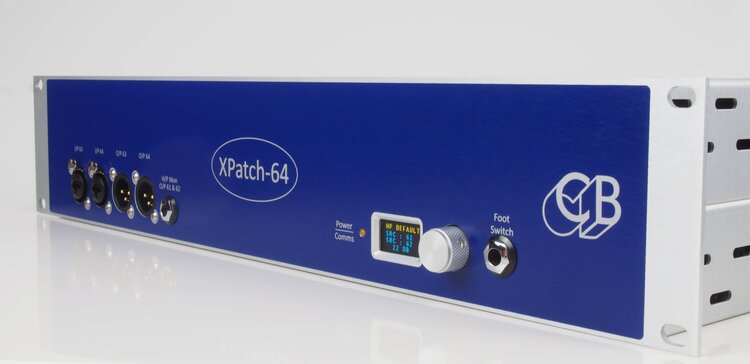
Feautures: • 64x64 CROSSPOINT ROUTING • ZERO CROSSING SWITCHING (“CLICK-LESS”)• FRONT PANEL HEADPHONE MONITORING• CREATE, STORE & RECALL ROUTINGS (SNAPSHOTS)• ANY INPUT CAN CONNECT TO MULTIPLE OUTPUTS• LOAD AND SAVE PREDEFINED SIGNAL PATHS • OSX & WINDOWS COMPATIBLE SOFTWARE • 8 CHANNELS OF METERING • 5 PIN MIDI INPUT (PC COMMANDS)• GAIN CONTROL ON EVERY OUTPUT & INPUTS 57-64 • UNUSED I/O ARE MUTED TO MINIMISE CROSSTALK• TABLET/PHONE SELECTION OF SNAPSHOTS & PATHS WITH TOUCHOSC • HIGH IMPEDENCE INPUT CARD OPTION FOR INPUTS 57-64 CB Electronics introduces XPatch-64, designed by multi-award-winning designer Colin Broad. XPatch-64 is a 64x64 digitally controlled, fully analogue audio patch bay routing system for audio professionals and aimed at streamlining workflow in even the most demanding post or music studios. Design based on the XPatch-32. The XPatch-64 system is controlled by our XPatch program via USB, allowing for complex routings in seconds. Create, store and recall routings from sessions. Any input can be sent to multiple outputs. The XPatch-64 design is based on the A-Mon / I-Mon and shares the I/O and CPU cards, allowing for input and output muting and even gain control. The front panel is equipped with 2x XLR combo connectors for input XLR line-level / ¼ inch jack DI input, plus 2 XLR output for quick auditioning of equipment. Also included are ¼ inch jack for headphone monitoring of inputs and outputs, OLED display and encoder with push button for function selection. In addition, there is a ¼ inch jack socket for a switch to step through snapshots (presets). Once configured, XPatch-64 can operate independently of the XPatch program and host computer via the front panel encoder or foot-switch. By switching between snapshots, the foot-switch enables the XPatch-64 to be used as a powerful studio or live performance tool for musicians. In any studio, the XPatch-64 can make it quick and easy to use your favorite new and legacy hardware effects units in your mix.The XPatch-64 is a versatile stand-alone analogue routing/switching system for on-stage boutique instrument processing or amplifier selection. XPatch or XP-Relay? We make both Solid State and Relay based patch bays, and often get asked this question. There is no correct answer as it depends on your application. Both offer advantages over traditional patch bays, sealed/solid state contacts, digital recall and simple routing changes. Both use the XPatch4 App digital recall of analog routing and can be used together to use the advantages of both. XP-Relay No Electronics in the signal path Unlimited head room Microphone routing Phantom pass through Audio switching by Sealed Telecom Relays Un-used outputs are muted Available as 16 x 16, 32 x 32 or 64 x 64 XPatch Unique 0.25dB resolution, -96dB to +22dB Gain Control at every stage of the signal path. Gain control allows unused outputs to be muted Use Gain control to Mix Balanced with unbalanced, Line Level with Instrument level Buffering between connected devices Multiple multing without loading the source. Solid state audio switching Available as 32 x 32, 64 x 64 or 96 x 96 XPatch APP Features Exclusive the XPatch See the XPatch APP webpage Conclusion As we’ve explored, the choice between the XPatch and the XP-RELAY ultimately depends on your studio's specific demands—but the most important takeaway is the powerful paradigm shift they both represent. Both systems offer the massive advantage of digital recall of your purely analog routing, moving past the limitations of traditional patch bays with their sealed, long-life contacts and effortless configuration via the XPatch4 App. If your priority is absolute signal transparency and the need for microphone routing (including phantom power), the XP-RELAY is your answer, thanks to its zero-electronics signal path. If your workflow demands precision gain control at every connection, seamless mixing of different signal levels (like line and instrument), and advanced buffering/multing capabilities, the XPatch is the unmatched solid-state solution.
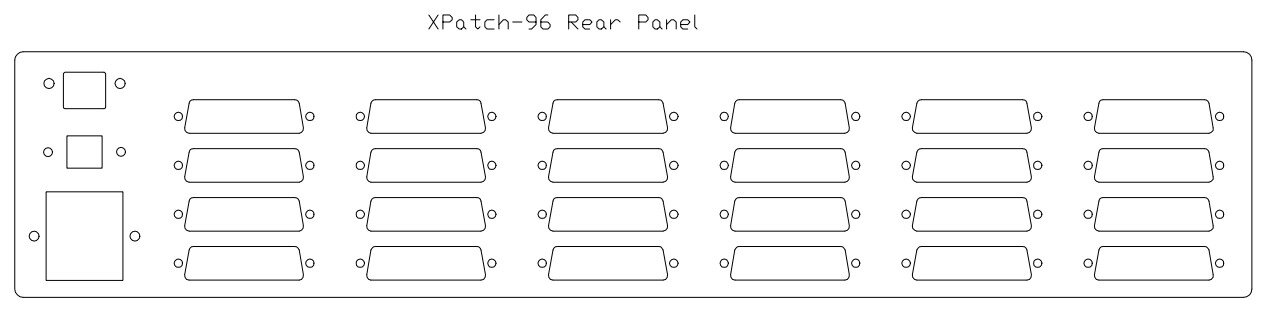
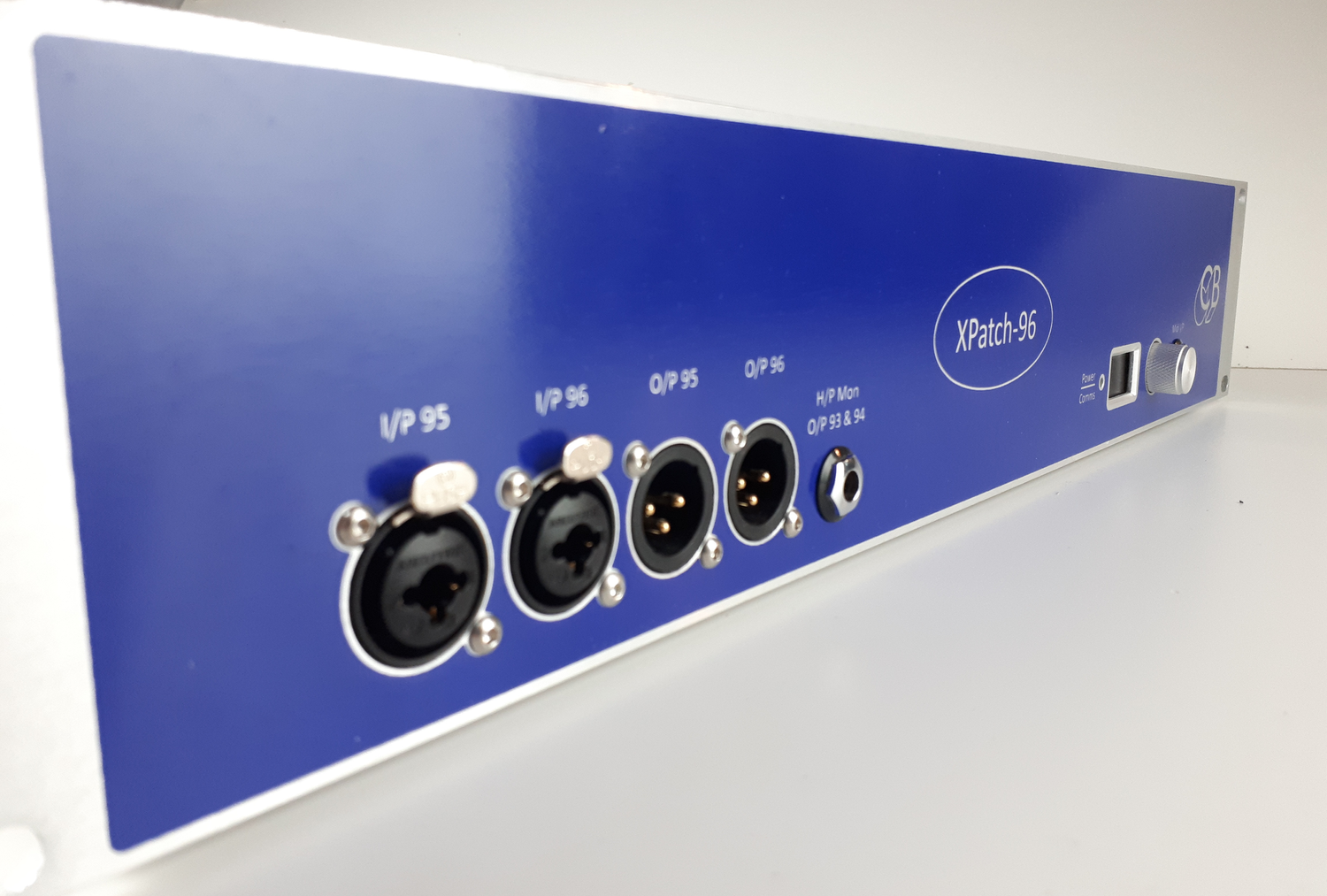
FEATURES AT A GLANCE: • 96x96 CROSSPOINT ROUTING • 2U Rack Mount • ZERO CROSSING SWITCHING (“CLICK-LESS”) • FRONT PANEL HEADPHONE MONITORING • CREATE, STORE & RECALL ROUTINGS (SNAPSHOTS) • ANY INPUT CAN CONNECT TO MULTIPLE OUTPUTS • LOAD AND SAVE PREDEFINED SIGNAL PATHS • OSX & WINDOWS COMPATIBLE SOFTWARE • 8 CHANNELS OF METERING • GAIN CONTROL ON EVERY OUTPUT & UP TO 32 INPUTS • UNUSED I/O ARE MUTED TO MINIMISE CROSSTALK • TABLET/PHONE SELECTION OF SNAPSHOTS & PATHS WITH TOUCHOSC • HIGH IMPEDENCE and MIC BOOST INPUT CARD OPTION XPatch or XP-Relay? We make both Solid State and Relay based patch bays, and often get asked this question. There is no correct answer as it depends on your application. Both offer advantages over traditional patch bays, sealed/solid state contacts, digital recall and simple routing changes. Both use the XPatch4 App digital recall of analog routing and can be used together to use the advantages of both. XP-Relay No Electronics in the signal path Unlimited head room Microphone routing Phantom pass through Audio switching by Sealed Telecom Relays Un-used outputs are muted Available as 16 x 16, 32 x 32 or 64 x 64 XPatch Unique 0.25dB resolution, -96dB to +22dB Gain Control at every stage of the signal path. Gain control allows unused outputs to be muted Use Gain control to Mix Balanced with unbalanced, Line Level with Instrument level Buffering between connected devices Multiple multing without loading the source. Solid state audio switching Available as 32 x 32, 64 x 64 or 96 x 96 XPatch APP Features Exclusive the XPatch See the XPatch APP webpage Conclusion As we’ve explored, the choice between the XPatch and the XP-RELAY ultimately depends on your studio's specific demands—but the most important takeaway is the powerful paradigm shift they both represent. Both systems offer the massive advantage of digital recall of your purely analog routing, moving past the limitations of traditional patch bays with their sealed, long-life contacts and effortless configuration via the XPatch4 App. If your priority is absolute signal transparency and the need for microphone routing (including phantom power), the XP-RELAY is your answer, thanks to its zero-electronics signal path. If your workflow demands precision gain control at every connection, seamless mixing of different signal levels (like line and instrument), and advanced buffering/multing capabilities, the XPatch is the unmatched solid-state solution.
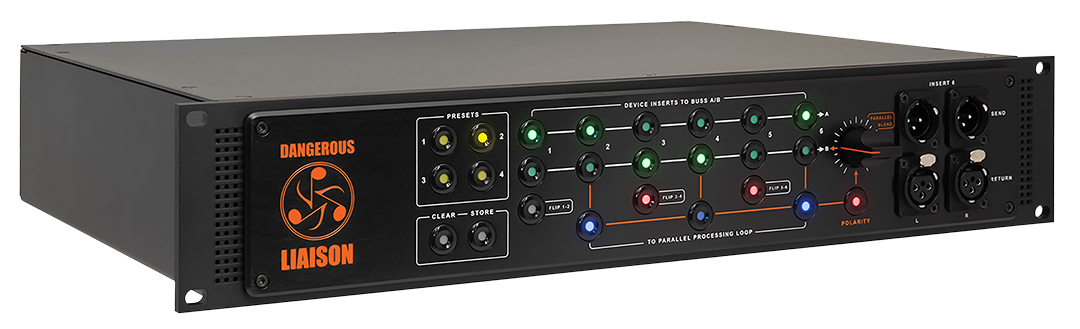
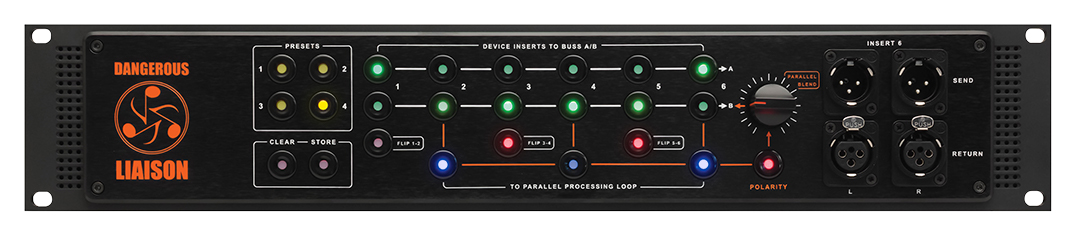
OverviewTo survive in this modern day audio jungle, the contemporary studio must be flexible and agile; a facility that can adapt to any workflow, effortlessly. Tracking, mixing and mastering services oftentimes must be performed under one roof, utilizing every piece of outboard gear available.The Dangerous Liaison realizes this dream by providing unprecedented access to your outboard equipment. Connect up to six of your favorite units to the Liaison (more if you daisy chain, leverage a patchbay or add a Dangerous Master). Instantly audition any device or combination, change the order, dial in some parallel processing and then store these customized signal paths as presets to use again, on demand, anytime. True hard-wire bypass relays remove the gear entirely from the signal path; this includes outboard that lacks an integrated bypass or true hard-wire bypass. Mastering grade components switch instantly and silently, providing true A/B comparisons without coloration or latency. Pre and post-processing monitor outputs make it simple to audition between the original source and the treated product.You will hear the difference. SpecificationsFrequency Response (Passive Section) +0, -0.1dB from 10Hz to 100kHzFrequency Response (Active Section) +0, -0.1dB from 10Hz to 100kHzMaximum level > +28dBuNoise floor < -94.5dBu 22Hz-22kHz bandwidthTHD+N < 0.002%IMD < 0.003%Crosstalk rejection (Passive Section) > 124dBCrosstalk rejection (Active Section) > 113dBInput Impedance: 20K OhmsOutput Impedance: 20 OhmsReplacement Fuses:USA 500mA fast blow for 120VEurope 250mA fast blow for 240VWarranty: 2 years parts and labor, subject to inspection. Does not include damage incurred through abusive operation or modifications/attempted repair by unauthorized technicians.